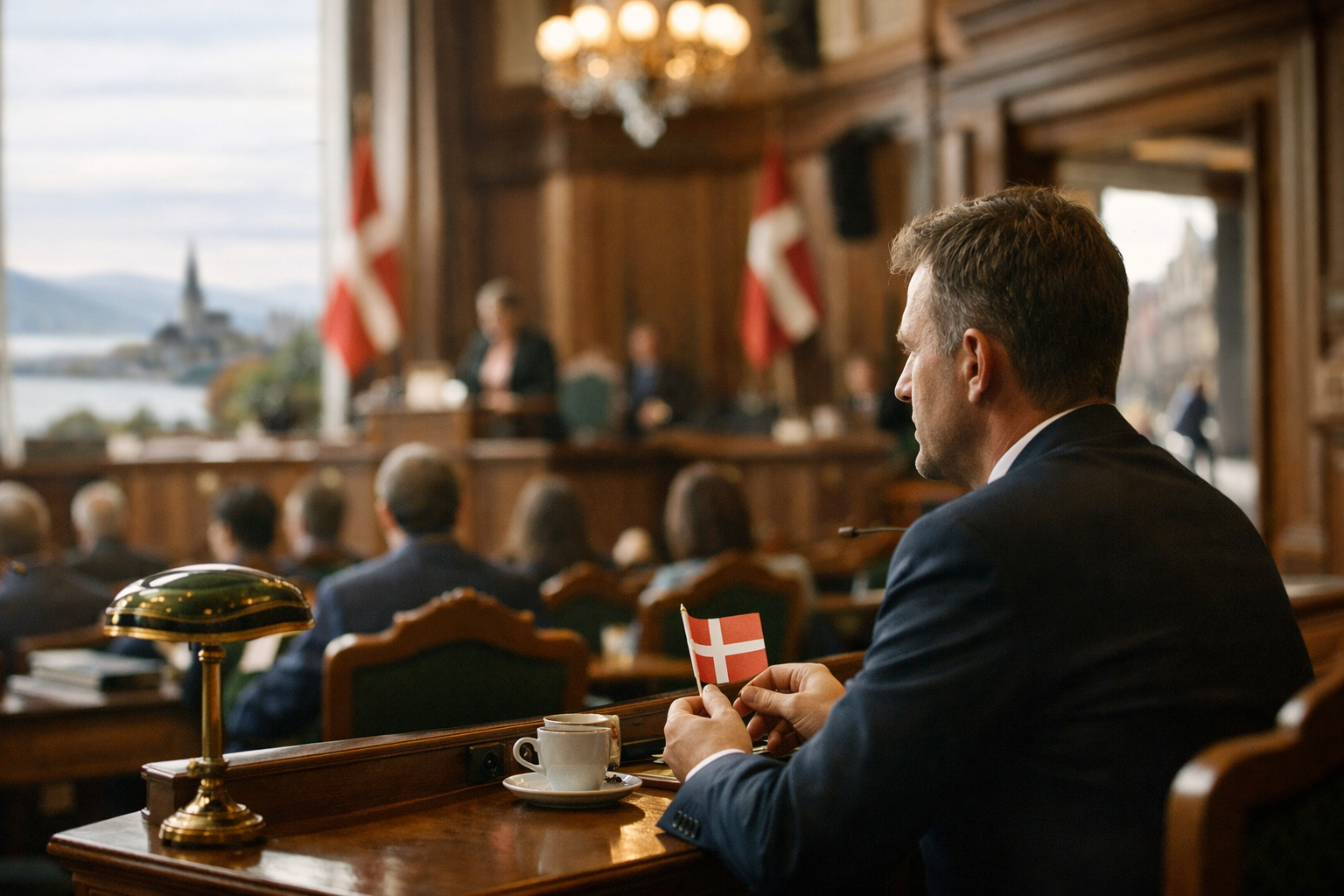
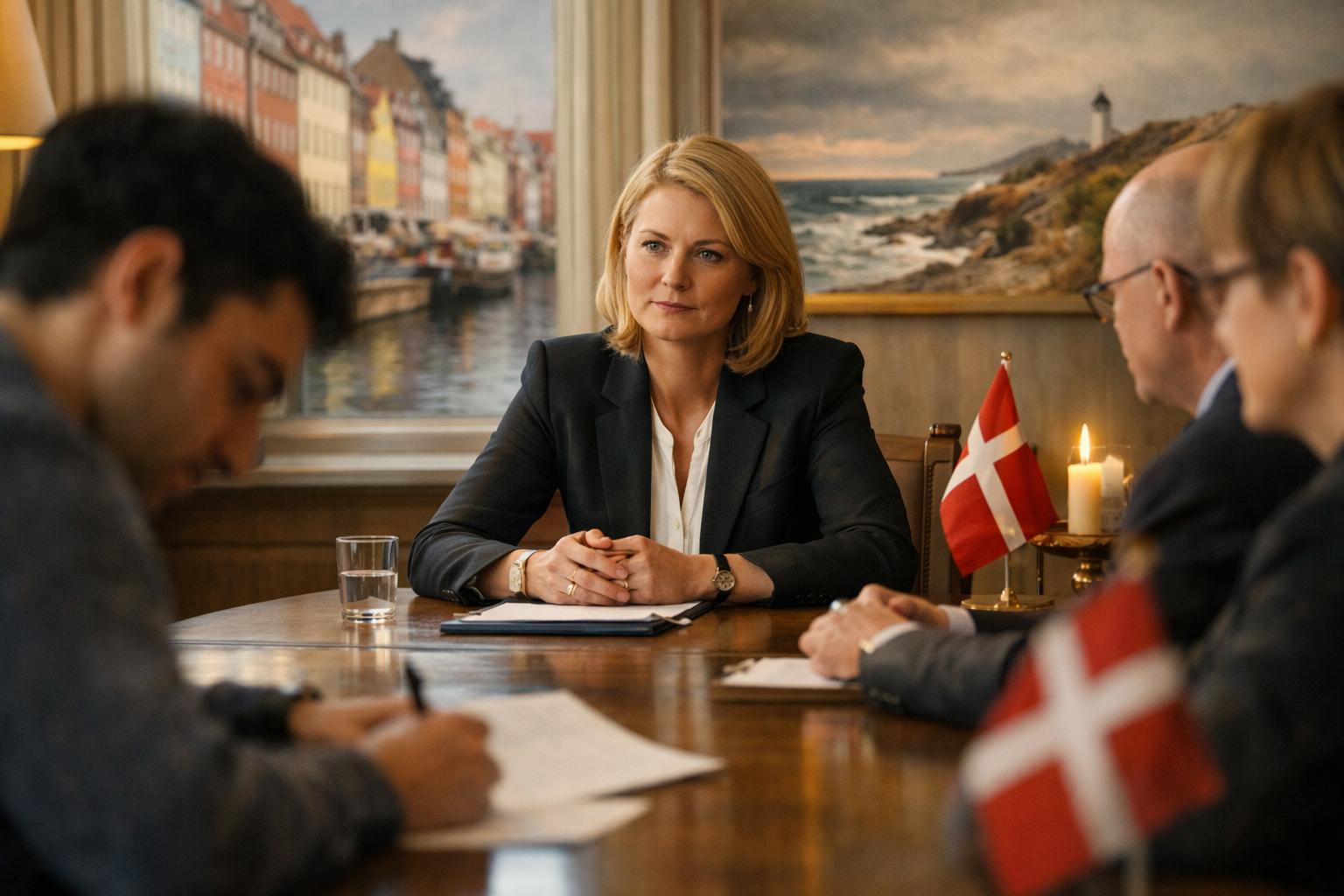
How Laws Are Made in Denmark: The Legislative Process Explained
Curious about how Denmark creates its laws? Learn about the Danish legislative process, the role of the Folketing, and what you need to know for the citizenship test.
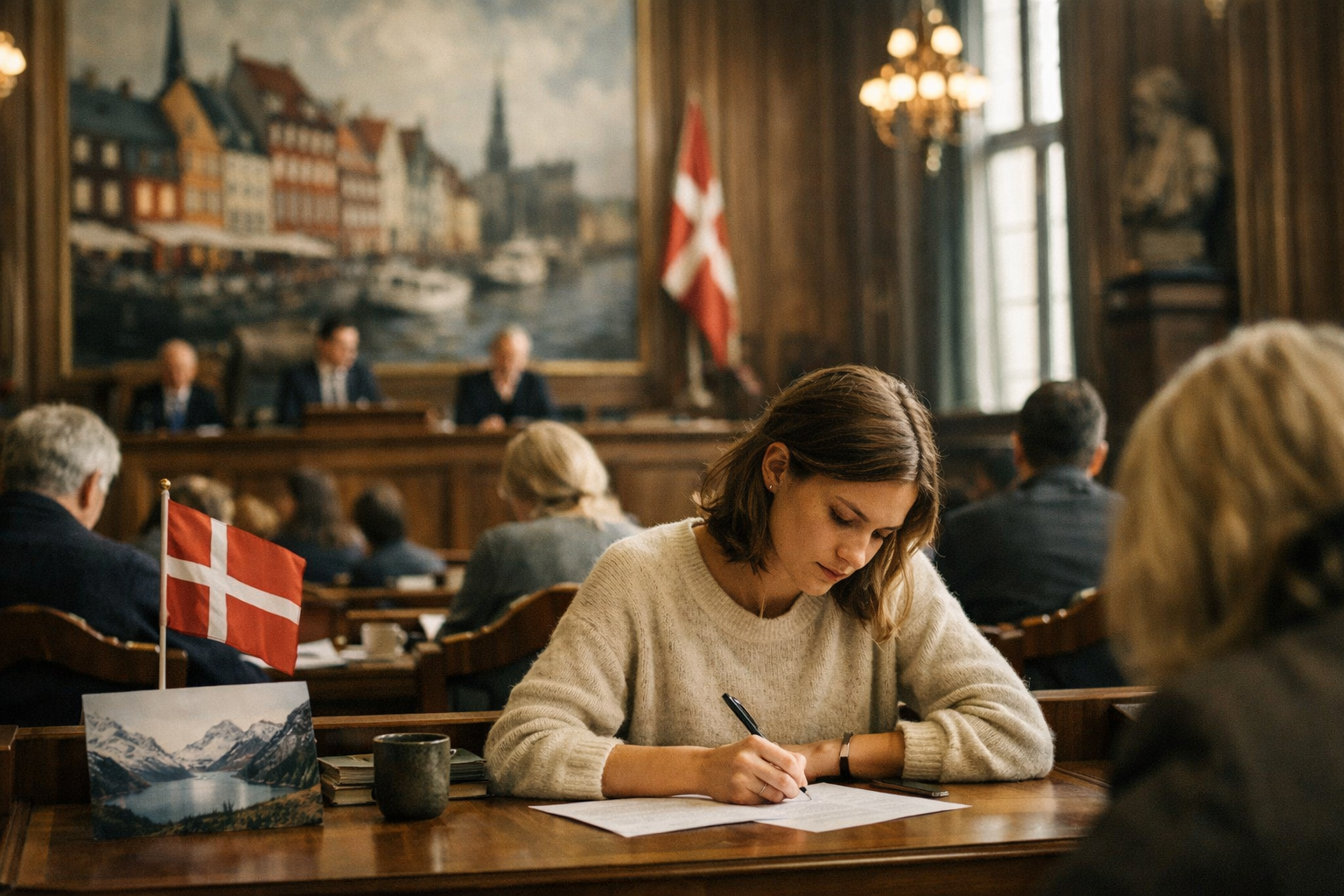
Understanding Danish Democracy Through Its Laws
Denmark is widely regarded as one of the world's most well-functioning democracies, and at the heart of that reputation lies a transparent, structured process for making laws. Whether you are preparing for the Danish citizenship test or simply want to understand how your new home country works, learning how legislation is created is essential. The Danish legislative process reflects core values of democracy, accountability, and civic participation — values that are deeply embedded in Danish society and culture.
In this guide, we will walk you through every stage of how a law is made in Denmark, from the initial proposal to the royal signature that makes it official.
The Folketing: Denmark's Parliament
All legislation in Denmark originates in or passes through Folketinget — the Danish Parliament. Located at Christiansborg Palace in Copenhagen, the Folketing is the supreme legislative authority in the country.
Composition and Elections
The Folketing consists of 179 members (called Members of Parliament or folketingsmedlemmer), including:
- 175 members elected from constituencies across Denmark
- 2 members elected from the Faroe Islands
- 2 members elected from Greenland
Elections to the Folketing are held at least every four years, though the Prime Minister can call an early election at any time. Denmark uses a system of proportional representation, meaning that parties receive seats roughly in proportion to the share of votes they receive.
Who Can Propose a Law?
Not everyone can introduce a bill into the Folketing. Under the Danish Constitution (Danmarks Riges Grundlov), a bill (lovforslag) can be introduced by:
- The government (ministers) — the most common source of new legislation
- Individual members of the Folketing — known as a private member's bill
Members of the public cannot directly introduce bills, but citizens can influence legislation through public consultations, contact with their elected representatives, and civic organisations.
The Three Readings: How a Bill Becomes Law
Once a bill is introduced, it must pass through three formal readings (behandlinger) in the Folketing before it can become law. This structured process ensures that legislation is carefully examined and debated.
First Reading
The first reading is primarily a general debate. Members of Parliament discuss the overall purpose and direction of the bill. No detailed amendments are made at this stage. After the debate, the bill is usually referred to one of the Folketing's standing committees (udvalg), which specialise in different policy areas such as health, justice, or finance.
Committee Review
The committee stage is one of the most important parts of the legislative process. During this phase:
- Experts, organisations, and interest groups may be invited to give testimony
- The responsible minister can be questioned
- Proposed amendments are drafted and discussed
- A committee report (betænkning) is produced summarising the findings
This is where much of the detailed negotiation and refinement of a bill takes place, often out of the public spotlight but with significant impact on the final text.
Second Reading
The second reading is a more detailed debate based on the committee's report. MPs discuss the bill clause by clause, and amendments proposed during the committee stage are formally presented and debated. A vote may take place at the end of the second reading, or the bill may be sent back to committee for further review.
Third Reading and Final Vote
The third reading is the final stage of parliamentary debate. After this reading, the Folketing holds a final vote. For a bill to pass, it requires a simple majority — more than half of the votes cast. In certain special cases, such as transferring powers to international organisations, a five-sixths majority is required under the Constitution.
Royal Assent and Proclamation
Once the Folketing has passed a bill, it does not immediately become law. It must go through two final formal steps.
The Queen's Signature
Under the Danish Constitution, all laws must be signed by the reigning monarch and countersigned by a minister before they take effect. This is known as royal assent (kongelig stadfæstelse). In practice, this is a constitutional formality — the monarch does not have the power to refuse to sign legislation passed by Parliament.
Publication in the Official Gazette
After receiving royal assent, the law is published in Lovtidende — Denmark's official legal gazette. From the moment of publication, the law is formally in effect (unless a specific implementation date is stated in the text).
Tips for the Danish Citizenship Test
The Danish citizenship test includes questions about how the political and legal systems work. Here are some key facts to remember:
- The Folketing has 179 members
- Bills go through three readings before a final vote
- A simple majority is needed to pass most laws
- The monarch signs all laws, but this is a constitutional formality
- Lovtidende is where laws are officially published
- Elections must be held at least every four years
If you want structured, exam-ready practice on topics like these, Danify offers interactive questions and explanations specifically designed to help you pass the Danish citizenship test with confidence.
Conclusion: Democracy in Action
The Danish legislative process is a clear example of democracy working methodically and transparently. From a proposal in the Folketing to a royal signature and publication in Lovtidende, every step is designed to ensure accountability, debate, and careful consideration. Understanding this process is not just useful for passing the citizenship test — it helps you become an informed and engaged member of Danish society.
Ready to deepen your knowledge of Danish civics, history, and culture? Download Danify today and start preparing for your citizenship test with confidence. Every question you practise brings you one step closer to becoming a Danish citizen.
Sources & AI note
This article was generated by AI using the sources listed here. Please verify important details in the original sources.
The official website of the Folketing (Danish Parliament), providing detailed information about parliamentary procedures, members, and the legislative process.
https://www.ft.dk/en/the-danish-parliament
The full text of the Danish Constitution, which establishes the legal framework for the Folketing, royal assent, and the legislative process. Available via Denmark's official legal information portal.
https://www.retsinformation.dk/eli/lta/1953/169
An official overview of Danish democracy, the electoral system, and the role of the Folketing, published by the Danish government's international portal.
https://denmark.dk/society-and-business/political-system
Retsinformation.dk is the official Danish government database where all enacted laws and legal instruments are published, including access to Lovtidende.
https://www.retsinformation.dk
Official explanation of how Danish parliamentary elections work, including proportional representation and electoral rules, from the Danish Ministry of the Interior and Housing.
https://www.im.dk/arbejdsomraader/valg/det-danske-valgssystem/
Get study tips in your inbox
Exam guides, study strategies, and insider tips for both Danish exams, delivered for free.
Study smarter
Ready to pass your Danish exam?
Danify gives you practice questions, AI-powered hints, and progress tracking, everything you need to prepare with confidence.