Coalition Government in Denmark: Why Minority Governments Are the Norm
Discover why Denmark frequently operates under minority governments and coalition arrangements. Learn about the Danish political system and prepare for your citizenship exam with Danify.
Introduction
Denmark's political landscape looks quite different from many other democracies. While voters in countries like the United States or France are accustomed to single-party governments with clear majorities, Denmark operates under a fundamentally different system. Minority governments and coalitions are not exceptions in Denmark—they are the norm. Understanding this unique aspect of Danish politics is essential if you're preparing for the Danish citizenship test.
In fact, Denmark has rarely seen a government command a majority of seats in the Folketing (the Danish parliament) since 1982. This structural reality shapes everything from policy-making to political negotiations. In this article, we'll explore why minority governments are so common in Denmark, how coalition governments function, and what this means for Danish democracy. Whether you're studying for your citizenship exam or simply curious about Danish politics, Danify can help you master these concepts with targeted learning modules.
The Danish Electoral System and Proportional Representation
How Proportional Representation Works
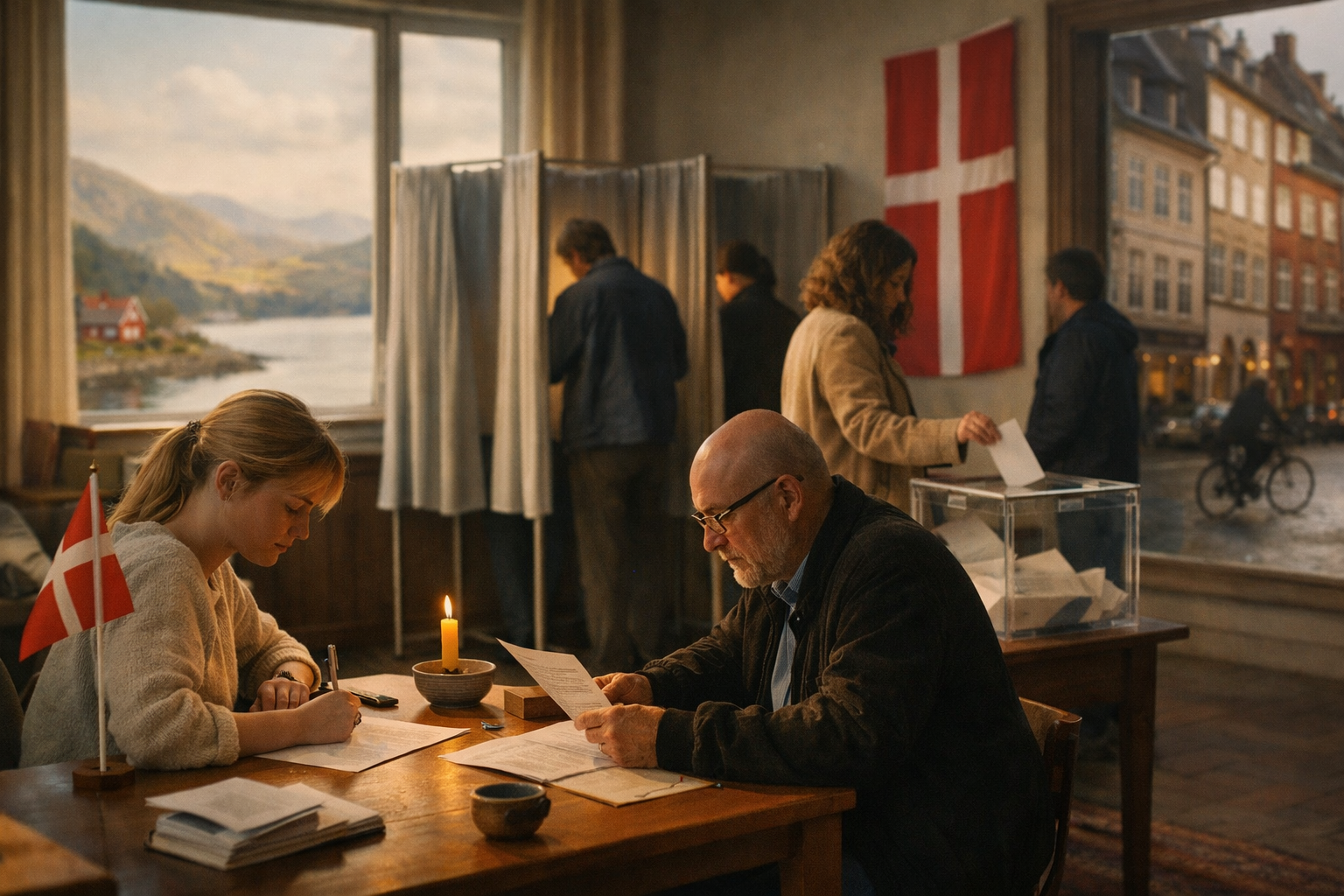
The foundation of Denmark's minority government trend lies in its proportional representation (PR) electoral system. Unlike first-past-the-post systems used in the UK or US, Denmark allocates parliamentary seats based directly on the percentage of votes each party receives. This means a party receiving 10% of the vote gets approximately 10% of the parliamentary seats.
Denmark uses a modified proportional representation system with 179 seats in the Folketing, distributed across multiple constituencies. The system includes a 2% national threshold—parties must receive at least 2% of votes nationally to enter parliament. This threshold is low compared to many countries, which explains why Denmark typically has 8-12 parties represented in parliament.
Why This Creates Minority Governments
With so many parties achieving parliamentary representation, achieving a 90-seat majority (50% of 179 seats) becomes mathematically difficult. No single party has enough support to govern alone. Even the largest parties typically receive only 20-30% of the vote, meaning they must either:
- Form coalition governments with multiple partners
- Form minority governments with external support from other parties
- Form minority governments without formal support agreements
This fragmentation is a direct consequence of proportional representation, which ensures that smaller parties and diverse viewpoints gain parliamentary representation.
Understanding Danish Coalition and Minority Governments
The Difference: Coalition vs. Minority Government
Many people confuse these two concepts. Here's the crucial distinction:
Coalition governments consist of multiple parties that together hold a parliamentary majority and share ministerial positions. Coalition partners formally agree to support government legislation.
Minority governments consist of one party (or occasionally multiple parties) that does not hold a parliamentary majority. They govern by negotiating with other parties on individual issues.
Denmark has experienced both arrangements, though minority governments have become increasingly common since the 1980s.
Recent Examples of Government Arrangements
Understanding recent examples helps illustrate these concepts for citizenship exam preparation:
- 2019-2022: The Mette Frederiksen-led Social Democratic government was a minority government supported by multiple parties (Red-Green Alliance, Socialist People's Party, and later others) on an issue-by-issue basis
- 2022-present: The current government is a three-party coalition (Social Democrats, Moderates, and Liberals) that holds a 90-seat majority
- 2016-2019: A minority government led by Lars Løkke Rasmussen governed with external support from the Danish People's Party
This variety shows how flexible the Danish system can be, adapting to different electoral outcomes and political circumstances.
How Minority Governments Function in Practice
Negotiation and Compromise
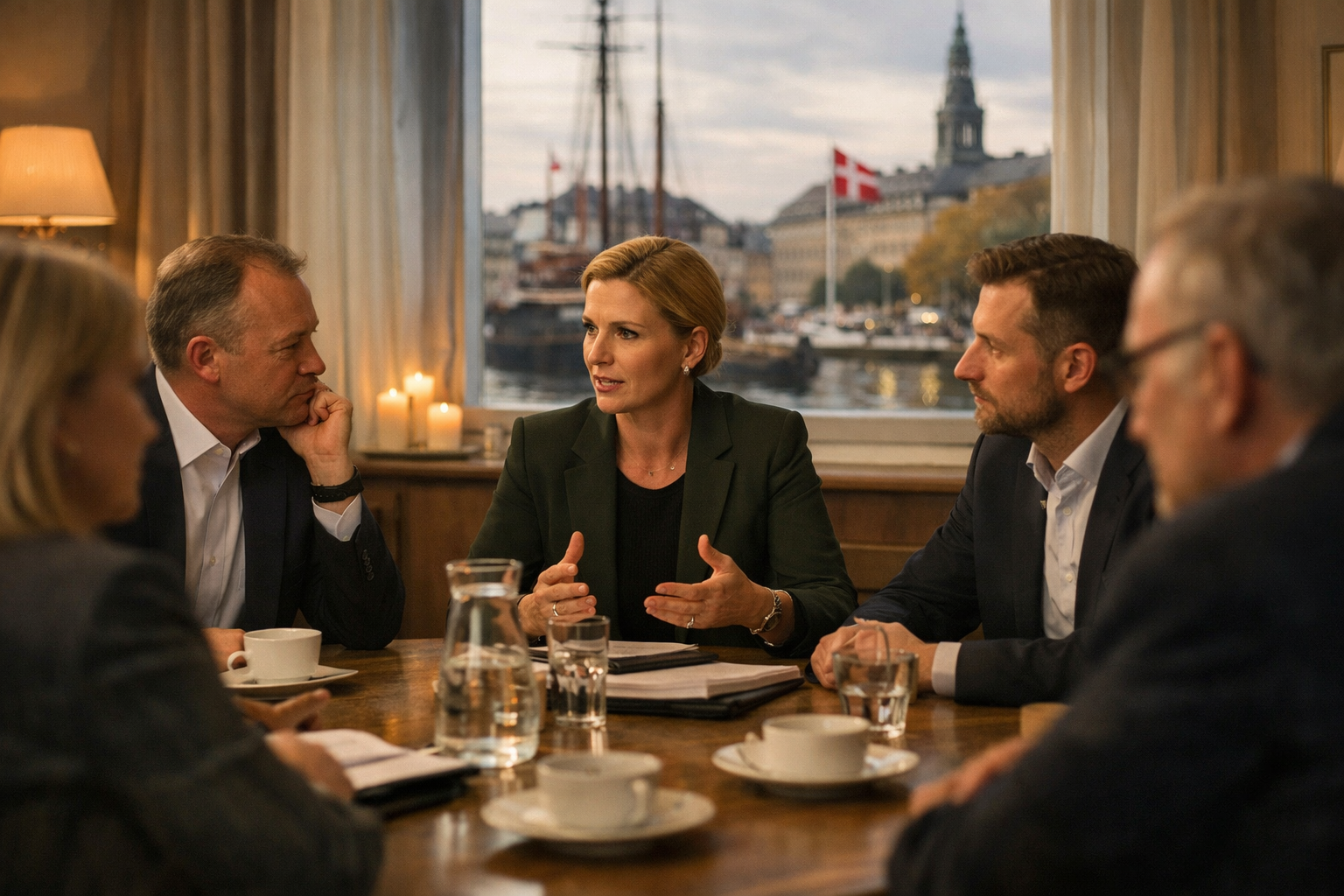
With no parliamentary majority, minority governments must negotiate constantly. When the government proposes legislation, it must secure sufficient votes from non-coalition partners to pass bills. This requires:
- Extensive dialogue between government and opposition parties
- Policy compromises to win support for specific initiatives
- Trade-offs where parties exchange support on different issues
- Transparency in negotiations, as agreements must be publicly announced
This structure sounds cumbersome, but it has proven functional and actually encourages broad consensus-building.
Advantages of the Danish Model
Danish citizens and political scientists have identified several benefits:
- Broad representation: Multiple parties influence policy, reflecting diverse voter preferences
- Consensus-building: Governments must negotiate, leading to compromise and shared responsibility
- Stability despite appearances: Minority governments are often more stable than they seem; parties have incentives to avoid early elections
- Accountability: Government decisions are publicly debated with clear negotiating partners
- Protection of minority rights: The need for coalition support protects smaller parties and groups
Challenges and Criticisms
However, the system faces legitimate criticisms:
- Slower decision-making: Negotiations can delay policy implementation
- Less policy clarity: Campaign promises may change through negotiation processes
- Influence of small parties: Sometimes small parties wield disproportionate power
- Government instability risk: Early elections can occur if support collapses
What This Means for Danish Democracy
Citizen Participation and Understanding
For those preparing for the Danish citizenship test through Danify or other resources, understanding coalition dynamics is important. Citizens need to recognize that:
- Government formation takes time after elections (weeks to months)
- Party cooperation is essential to functioning government
- Your vote influences coalition possibilities, even if your preferred party doesn't lead
- Parliamentary democracy operates through negotiation rather than electoral mandates
The Folketing's Central Role
Unlike systems where the executive branch dominates, the Danish Folketing remains the center of political power. This means:
- Parliament cannot be dissolved except during government formation crises
- Individual members have more influence than in majoritarian systems
- Committee work is crucial, as governments need cross-party support
Conclusion
Denmark's reliance on minority governments and coalition arrangements isn't a sign of political dysfunction—it's a deliberate feature of its proportional representation system. By ensuring multiple parties reach parliament, Denmark guarantees diverse representation and forces governments to build consensus. While this model differs significantly from majoritarian democracies, it has sustained Danish democracy effectively for decades.
For citizenship test candidates, remember these key points: Denmark's proportional representation system makes single-party majorities rare, minority governments require constant negotiation, and coalition building reflects Danish democratic values of consensus and inclusion.
If you're preparing for your citizenship exam, tools like Danify can help you understand these complex political structures through interactive lessons and practice questions. Whether you're studying Danish government, current events, or cultural values, a solid understanding of how coalition governments function will strengthen your overall knowledge.
Ready to master Danish politics and pass your citizenship test? Start your learning journey with Danify today and explore comprehensive modules on Danish government, history, and society.
Sources & AI note
This article was generated by AI using the sources listed here. Please verify important details in the original sources.
Official website of the Danish Parliament providing authoritative information on parliamentary structure, government formation, and legislative processes.
https://www.ft.dk/en
Official government resource for newcomers to Denmark, explaining the Danish political system, electoral procedures, and how government is formed.
https://www.nyidanmark.dk/en/living-in-denmark/introduction-to-danish-society/government-and-politics
Official Danish citizen portal providing comprehensive information on elections, voting rights, government formation, and the Danish political system.
https://www.borger.dk/politik-og-valg
Official Danish state portal offering general information about Denmark's government structure, historical context, and current political arrangements.
https://denmark.dk/society-business/government-politics
Official Danish Election Board website detailing the proportional representation system, seat allocation, and electoral regulations used in Danish elections.
https://www.valg.dk/en
Get study tips in your inbox
Exam guides, study strategies, and insider tips for both Danish exams, delivered for free.
Study smarter
Ready to pass your Danish exam?
Danify gives you practice questions, AI-powered hints, and progress tracking, everything you need to prepare with confidence.