The Danish Folketing: How Denmark's Parliament Works
Understanding the Danish Folketing is essential for citizenship exam preparation. Learn how Denmark's unicameral parliament functions, its role in governance, and why it matters for your citizenship journey.
Introduction to the Danish Folketing
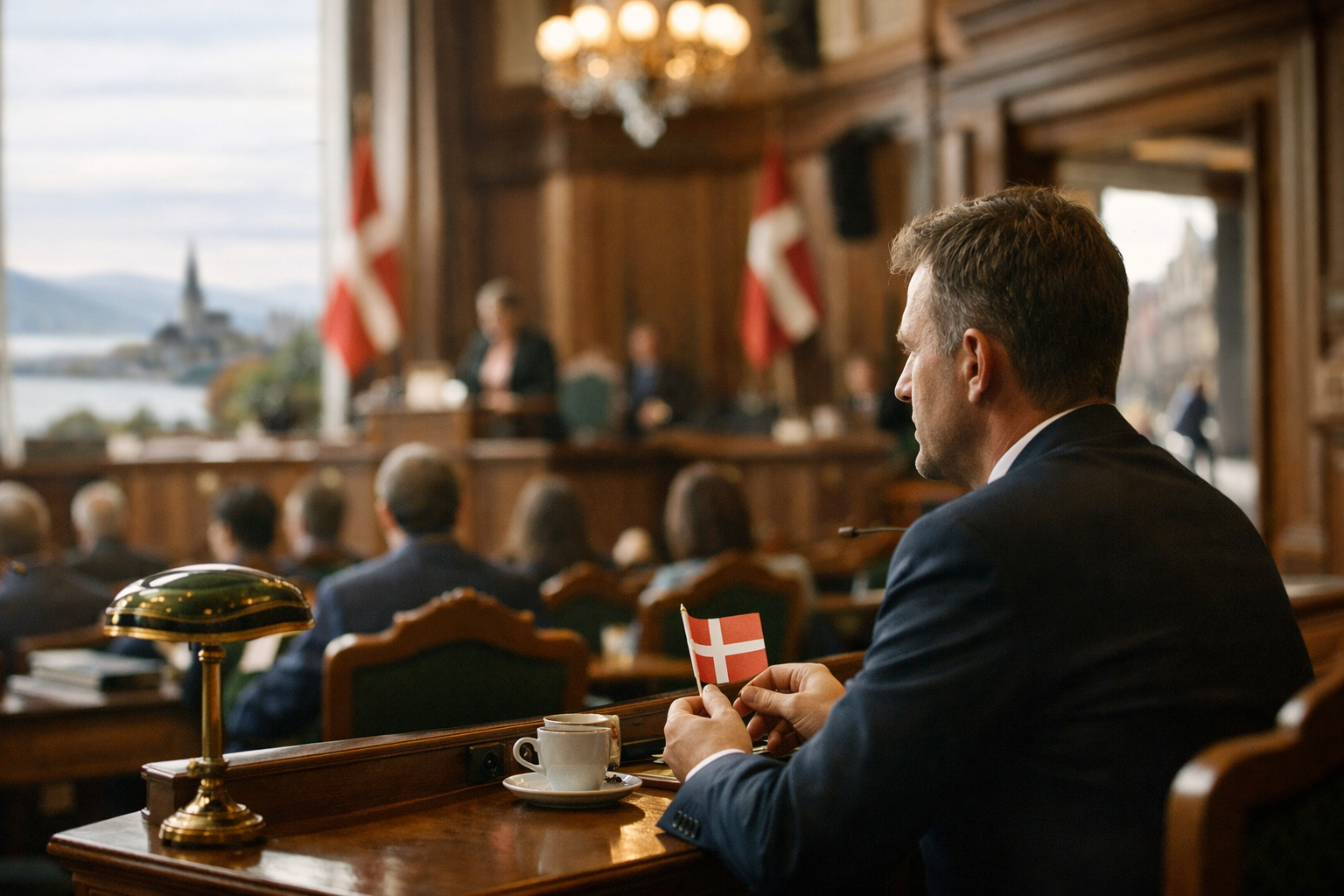
If you're preparing for your Danish citizenship test, understanding how Denmark's government works is crucial. At the heart of Danish democracy sits the Folketing (Folketinget in Danish), the country's unicameral parliament. This legislative body has shaped Danish society for over 150 years and remains the cornerstone of the nation's democratic system.
The Folketing is more than just a building where politicians debate laws—it represents the voice of the Danish people and embodies the principles of democracy, transparency, and social responsibility that define modern Denmark. Whether you're studying with Danify or other resources, grasping how the Folketing operates will strengthen your understanding of Danish civic culture and government structure.
Let's explore this essential institution and what you need to know for your citizenship exam.
Structure and Composition of the Folketing
Number of Members and Representation
The Folketing comprises 179 members who are elected to represent the Danish people. This number includes representatives from Denmark proper (175 members) and additional representatives from Greenland (2 members) and the Faroe Islands (2 members). These numbers ensure that even Denmark's autonomous territories have a voice in national legislation.
Members of Parliament are known as Members of Folketing (MF) or "Folketingsmedlemmer" in Danish. They are elected through a system of proportional representation, which means that political parties receive seats based on the percentage of votes they receive nationwide. This system encourages coalition-building and consensus, which has become a hallmark of Danish politics.
Electoral System
Danish parliamentary elections occur every four years, unless the Prime Minister calls for an earlier election. Key features of the Danish electoral system include:
- Universal suffrage: All Danish citizens aged 18 and older can vote
- Proportional representation: Ensures smaller parties can gain representation
- Multi-member constituencies: Denmark is divided into electoral districts, each electing multiple representatives
- Flexible list voting: Voters can influence which candidates from a party are elected through preferential voting
How the Folketing Functions
Legislative Process
Understanding the legislative process is vital for citizenship exam preparation. Here's how a bill becomes law in Denmark:
- First reading: A bill is introduced and debated in principle
- Committee review: The bill is examined by relevant parliamentary committees
- Second reading: Detailed debate and amendments occur
- Third reading: Final vote on the amended bill
- Royal assent: The Queen signs the bill, making it law (a formal requirement in Denmark's constitutional monarchy)
This three-reading system ensures thorough deliberation and represents the Danish commitment to careful, democratic lawmaking.
Committee System
The Folketing operates through a robust committee system that forms the backbone of parliamentary work. Standing committees cover key areas such as:
- Finance and taxation
- Health and senior citizens
- Education
- Employment and integration
- Environment and energy
- Defense and foreign affairs
Committees do the detailed work of examining legislation before it reaches the full parliament. Most parliamentary members serve on at least one committee, ensuring broad participation in governance.
Leadership Structure
The Folketing is led by a Speaker (Formand), who is elected by parliamentary members. The Speaker ensures orderly debate and represents parliament's interests. Below the Speaker are several Vice-Speakers who assist with parliamentary procedures.
The Prime Minister heads the government but is also an elected member of the Folketing. This differs from systems like the United States, where the executive and legislative branches are completely separate. This arrangement ensures the government maintains the confidence of parliament—a key principle of Denmark's parliamentary democracy.
The Danish Parliament in Practice
Coalition Government
Because Denmark uses proportional representation, no single party typically wins a majority of seats. This means governments are usually formed by coalitions of multiple parties. The winning party's leader becomes Prime Minister and negotiates with other parties to form a governing coalition.
Danish coalition governments are known for their stability and consensus-building approach. Even parties not in the government coalition may support specific legislation, demonstrating a pragmatic approach to governance.
The Voting Process
When the Folketing votes on legislation, members cast votes in the chamber. The process requires:
- Simple majority: Most legislation requires 90 votes (more than half of 179 members)
- Supermajority: Constitutional amendments require 5/6 majority (150 votes)
- Quorum: While quorum rules exist, they're not strictly enforced in daily practice, reflecting trust in parliamentary members
Public Access and Transparency
The Folketing exemplifies transparency in government. Sessions are open to the public, livestreamed online, and thoroughly documented. This openness reflects Danish democratic values and the concept of folkesuverænitet (popular sovereignty).
You can watch parliamentary sessions, review voting records, and access legislative documents through the official Folketing website. This accessibility is important for citizenship candidates, as it demonstrates how Danish democracy functions in practice.
Key Concepts for Your Citizenship Exam
When preparing with resources like Danify, focus on these essential points about the Folketing:
- Denmark has a unicameral parliament (one chamber) with 179 members
- Proportional representation ensures diverse political voices
- The system requires coalition governments and consensus-building
- The Prime Minister leads the government but must retain parliamentary confidence
- Legislation passes through three readings before royal assent
- The Folketing operates with high transparency and public accessibility
- Committees do the detailed legislative work
Understanding these fundamentals will help you appreciate Danish democratic governance and perform well on your citizenship test.
Conclusion
The Folketing represents the democratic heart of Denmark, embodying the nation's commitment to representation, transparency, and consensus-based governance. From its 179 members working through committees to its proportional representation system encouraging coalition governments, the Folketing reflects uniquely Danish approaches to democracy.
As you prepare for your Danish citizenship test, take time to understand not just how the Folketing works mechanically, but also the democratic values it represents. Consider visiting the Folketing's official website or exploring its livestreamed sessions to see parliament in action.
Ready to master all aspects of Danish society and government? Danify offers comprehensive study materials specifically designed for citizenship exam preparation, making complex topics like parliamentary government accessible and engaging.
Start your journey toward Danish citizenship today—understand your future nation's government inside and out.
Sources & AI note
This article was generated by AI using the sources listed here. Please verify important details in the original sources.
The official Folketing website provides comprehensive information about the Danish parliament, its members, committees, legislative processes, and access to parliamentary sessions and documents.
https://www.ft.dk/
The official Danish government portal offering information about citizenship, government structure, and civic information for residents and citizenship candidates.
https://borger.dk/
Official resource from the Danish Immigration Service providing information about citizenship requirements, tests, and Danish government and society.
https://www.nyidanmark.dk/
The official Denmark website with authoritative information about Danish government, parliament, constitutional monarchy, and democratic principles.
https://denmark.dk/
Official Danish legislation database (Retsinformation) containing the Danish Constitution and laws governing the Folketing and parliamentary procedures.
https://www.retsinformation.dk/
Get study tips in your inbox
Exam guides, study strategies, and insider tips for both Danish exams, delivered for free.
Study smarter
Ready to pass your Danish exam?
Danify gives you practice questions, AI-powered hints, and progress tracking, everything you need to prepare with confidence.