Grundtvigian Folk High Schools: The Danish Model of Adult Education
Discover how Grundtvigian folk high schools revolutionized adult education in Denmark and continue to shape the nation's educational philosophy today.
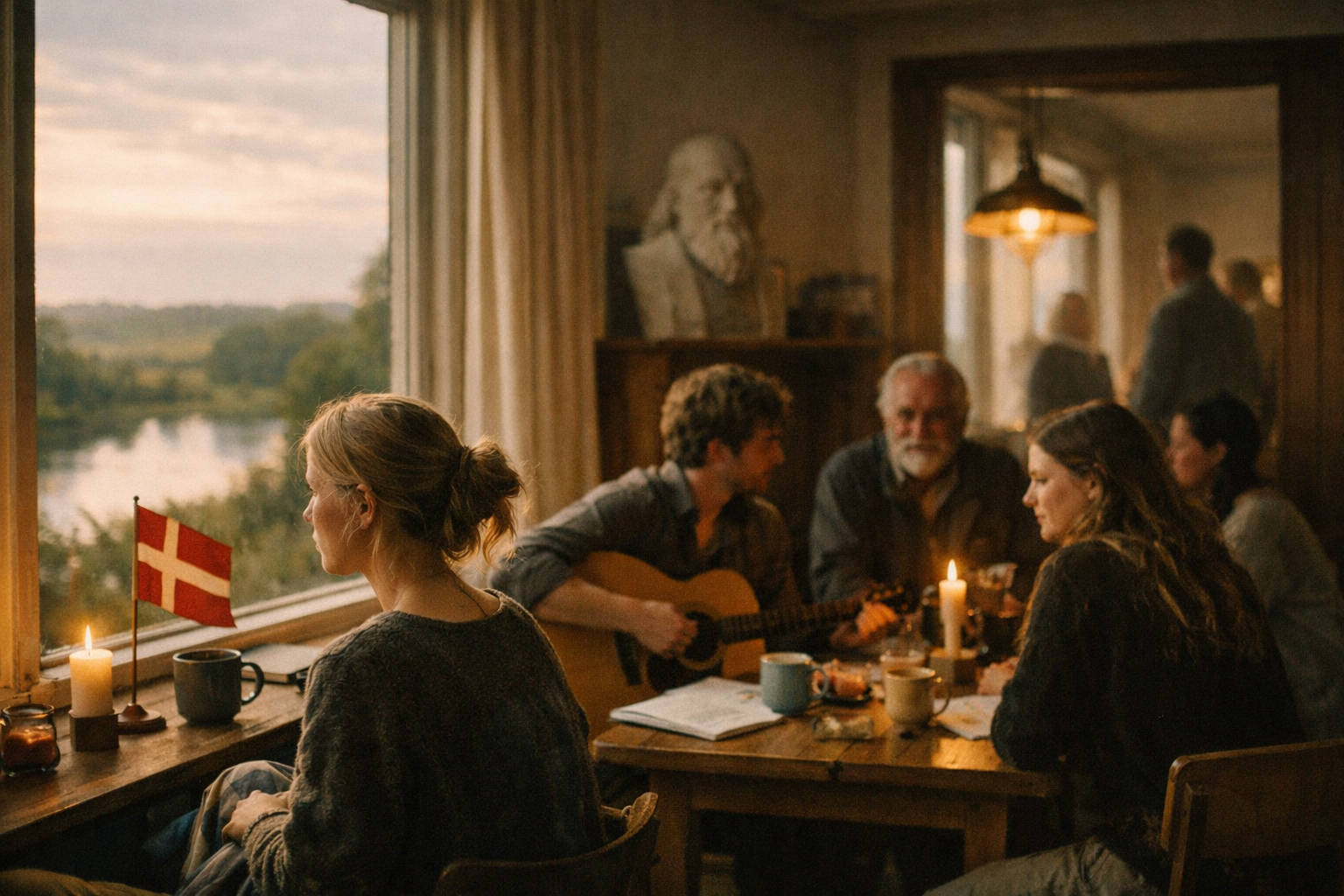
Introduction
Denmark's educational system is renowned worldwide for its progressive and humanistic approach. At the heart of this philosophy lies a unique institution: the folk high school (folkehøjskole), inspired by the educational vision of Nikolai Frederik Severin Grundtvig. These schools represent far more than just places of learning—they embody a distinctly Danish approach to personal development, community building, and lifelong education that has influenced global educational models.
For those preparing for the Danish citizenship test, understanding folk high schools is essential, as they represent a core value in Danish society. Whether you're using study tools like Danify or other resources, grasping this cultural institution will deepen your appreciation of Danish values and help you understand Danish society more comprehensively.
The Grundtvigian Vision: Philosophy and Origins
Who Was Nikolai Frederik Severin Grundtvig?
Nikolai Frederik Severin Grundtvig (1783-1872) was a Danish philosopher, theologian, educator, and politician whose ideas fundamentally transformed European educational thought. Born during the Enlightenment, Grundtvig rejected the rigid, examination-focused education prevalent in 19th-century Europe. Instead, he advocated for an approach centered on human development, community participation, and the cultivation of wisdom rather than mere knowledge accumulation.
Grundtvig's most famous concept was "folkelighed" (popular enlightenment), which emphasized education for all people, not just the elite. This revolutionary idea laid the groundwork for Denmark's modern, egalitarian education system.
Core Principles of Grundtvigian Education
The Grundtvigian model rests on several foundational principles that remain central to Danish educational philosophy:
- Education for life, not examinations: The focus is on personal growth and practical life skills rather than competitive testing
- Community and dialogue: Learning happens through conversation, debate, and shared experiences
- Holistic development: Folk high schools nurture intellectual, emotional, and social growth
- Democratic participation: Education empowers citizens to engage actively in society
- Cultural enrichment: Arts, humanities, and cultural traditions are integral to the curriculum
The Folk High School System in Denmark Today
Structure and Organization
Modern folk high schools (folkehøjskoler) operate as independent institutions, though many receive state funding through the Danish Ministry of Children and Education. There are approximately 70-75 folk high schools across Denmark, each with its own distinct character, specializations, and cultural identity.
Unlike traditional secondary schools, folk high schools:
- Admit students aged 17 and above
- Operate on residential or non-residential models
- Offer flexible course lengths (typically 2-52 weeks)
- Focus on practical skills combined with theoretical knowledge
- Emphasize small class sizes and close student-teacher relationships
Diverse Course Offerings
While all folk high schools share Grundtvigian values, they offer remarkably diverse programs:
- Arts and crafts: Ceramics, woodworking, textile design, and traditional Danish crafts
- Sports and outdoor activities: Sailing, hiking, and recreational sports
- Academic subjects: History, languages, philosophy, and social studies
- Professional skills: Business, digital literacy, and vocational training
- Cultural programs: Music, drama, literature, and Danish language for international students
This diversity reflects Grundtvig's belief that education should meet people's varied interests and life circumstances.
Why Folk High Schools Matter for Understanding Danish Culture
Their Role in Danish Society
For citizenship test candidates using resources like Danify, recognizing the importance of folk high schools provides crucial cultural context. These institutions are not peripheral to Danish life—they are emblematic of fundamental Danish values.
Folk high schools serve several vital functions in Danish society:
- Social cohesion: They bring together people from different backgrounds and regions, fostering national unity
- Lifelong learning: They enable Danes to continuously develop skills and knowledge throughout adulthood
- Democratic culture: They cultivate informed, engaged citizens who participate in civic life
- Cultural preservation: They keep Danish traditions, language, and heritage alive
- Personal transformation: Many Danish adults attend folk high schools as turning points in their personal development
International Recognition and Influence
The Danish folk high school model has influenced educational systems globally. Grundtvigian principles inspired similar institutions throughout Northern Europe and beyond. The UNESCO Institute for Education has recognized folk high schools as exemplary models of non-formal adult education.
Practical Tips for the Danish Citizenship Test
Key Concepts to Master
When studying for your citizenship test, focus on these essential points about folk high schools:
- Grundtvig's role: Understand he was a 19th-century Danish philosopher and educator
- Democratic values: Recognize how folk high schools embody Danish democratic principles
- Lifelong learning: Know that they represent Denmark's commitment to continuous education
- Accessibility: Remember they're open to all citizens regardless of social background
- Cultural significance: Appreciate their role in maintaining Danish identity and community
Sample Test Questions
You might encounter questions like:
- "What are the main principles of Grundtvigian education?"
- "Name three types of programs offered at Danish folk high schools"
- "How do folk high schools reflect Danish democratic values?"
- "Who founded the folk high school movement in Denmark?"
Using comprehensive study tools ensures you're prepared. Danify specifically helps citizenship candidates understand cultural institutions like these within the broader context of Danish society.
Conclusion: A Living Legacy
Grundtvigian folk high schools represent a distinctive Danish contribution to global educational philosophy. More than 150 years after their establishment, these institutions continue to embody Grundtvig's revolutionary vision: that education is a lifelong journey aimed at developing whole human beings and engaged democratic citizens.
For citizenship test candidates, folk high schools symbolize what makes Danish society unique—a commitment to equality, personal development, community, and the belief that education belongs to everyone. Understanding their history, principles, and contemporary role deepens your grasp of Danish culture and values.
As you prepare for your citizenship examination, take time to appreciate these institutions. Whether you're studying independently or using tools like Danify to guide your preparation, remember that folk high schools represent the heart of Danish educational philosophy. They're not just historical institutions—they're living proof that Grundtvig's vision of education for human flourishing remains powerfully relevant today.
Ready to master Danish culture and citizenship test content? Start your preparation with comprehensive, culturally-informed study materials that help you understand Denmark's values and institutions.
Sources & AI note
This article was generated by AI using the sources listed here. Please verify important details in the original sources.
Official Danish government source for information on the Danish education system, including folk high schools and their role in national education policy.
https://børn.dk/
Official Danish immigration authority website providing comprehensive information about Danish society, culture, and institutions for those preparing for citizenship.
https://www.nyidanmark.dk/en/
The official Danish government portal with authoritative information about Danish culture, history, and educational institutions including the folk high school system.
https://denmark.dk/
International educational organization recognizing Danish folk high schools as exemplary models of non-formal adult education and lifelong learning.
https://uil.unesco.org/
National association representing Danish folk high schools, providing comprehensive information about institutional history, philosophy, and contemporary programs.
https://www.dfs.dk/
Get study tips in your inbox
Exam guides, study strategies, and insider tips for both Danish exams, delivered for free.
Study smarter
Ready to pass your Danish exam?
Danify gives you practice questions, AI-powered hints, and progress tracking, everything you need to prepare with confidence.