Christmas in Denmark: How Danes Celebrate Jul
Discover how Danes celebrate Christmas (jul) with unique traditions, foods, and customs. Learn about this important cultural celebration to prepare for your Danish citizenship exam.
Introduction
Christmas, known as jul in Danish, is one of the most important celebrations in Denmark. For Danes, jul is far more than just a holiday—it's a cherished cultural tradition that shapes the entire winter season. Understanding how Danes celebrate Christmas is not only fascinating for anyone interested in Danish culture but also essential preparation for the Danish citizenship test. If you're preparing for your citizenship exam with tools like Danify, learning about Danish traditions like jul will help you understand Danish society and values.
In this guide, we'll explore the unique ways Danes celebrate Christmas, from their festive decorations to their special foods and family customs. Whether you're planning to become a Danish citizen or simply curious about Nordic traditions, this article will give you comprehensive insights into jul.
The History and Significance of Jul in Denmark
Ancient Roots and Modern Celebrations
The Danish word "jul" has ancient roots dating back to pre-Christian winter celebrations. Today, jul blends these historical traditions with Christian customs, creating a uniquely Danish celebration. The celebration typically begins in early November when advent decorations appear in shops and homes, and it continues through December 24th (julaften), which is when Danes celebrate Christmas Eve.
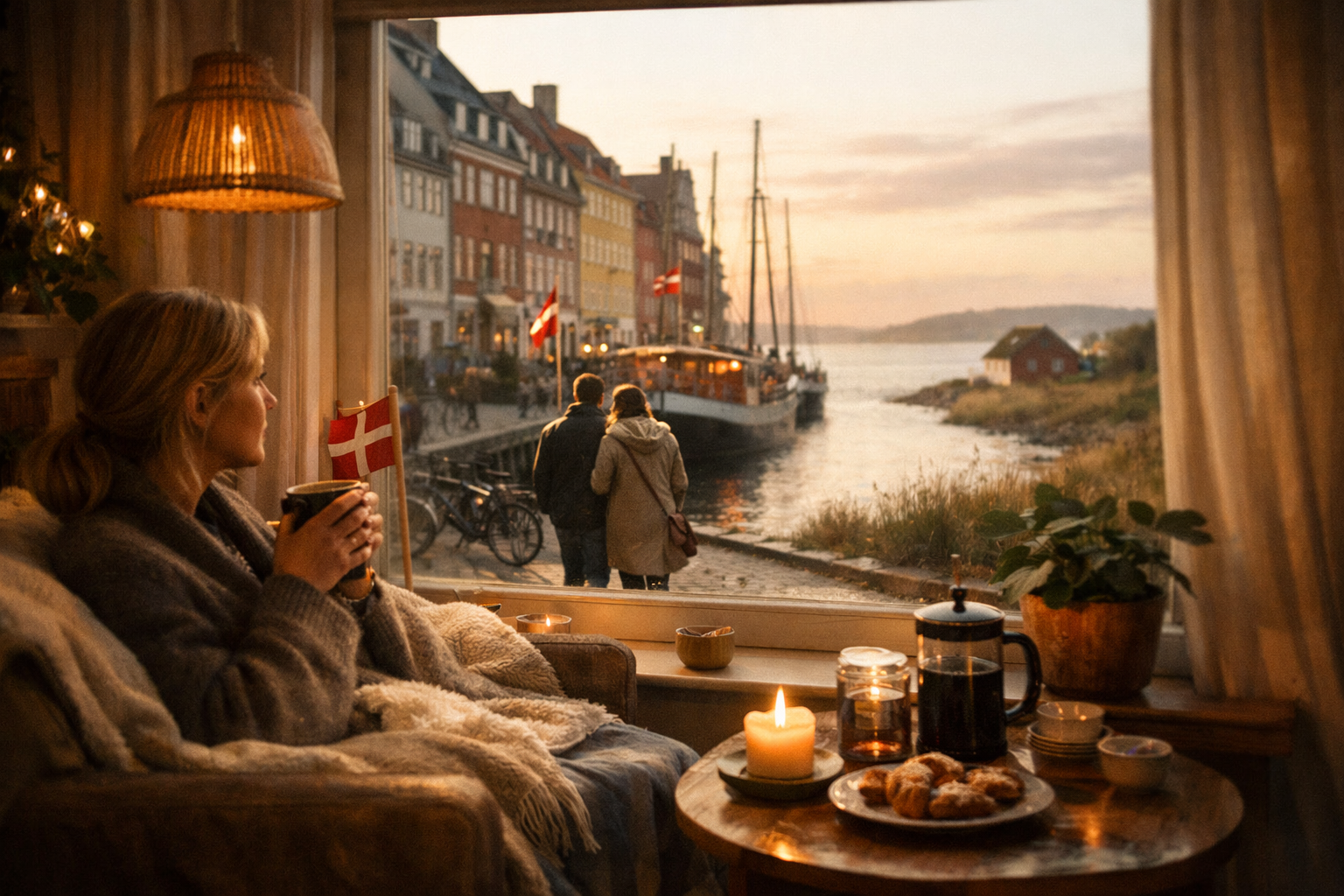
Danish Christmas is deeply connected to creating hygge—a concept that's central to Danish culture. Hygge describes a warm, cozy, intimate atmosphere, and it perfectly captures the essence of how Danes approach jul. Families gather to create warm, comfortable spaces filled with candlelight, good food, and togetherness.
Religious and Cultural Importance
While Denmark is a predominantly Lutheran Christian country, jul has become a cultural celebration that even secular Danes observe enthusiastically. According to Denmark.dk, an official Danish government information source, Christmas traditions are deeply embedded in Danish identity and values, emphasizing family, community, and reflection.
Traditional Danish Christmas Decorations and Customs
Decorating the Home
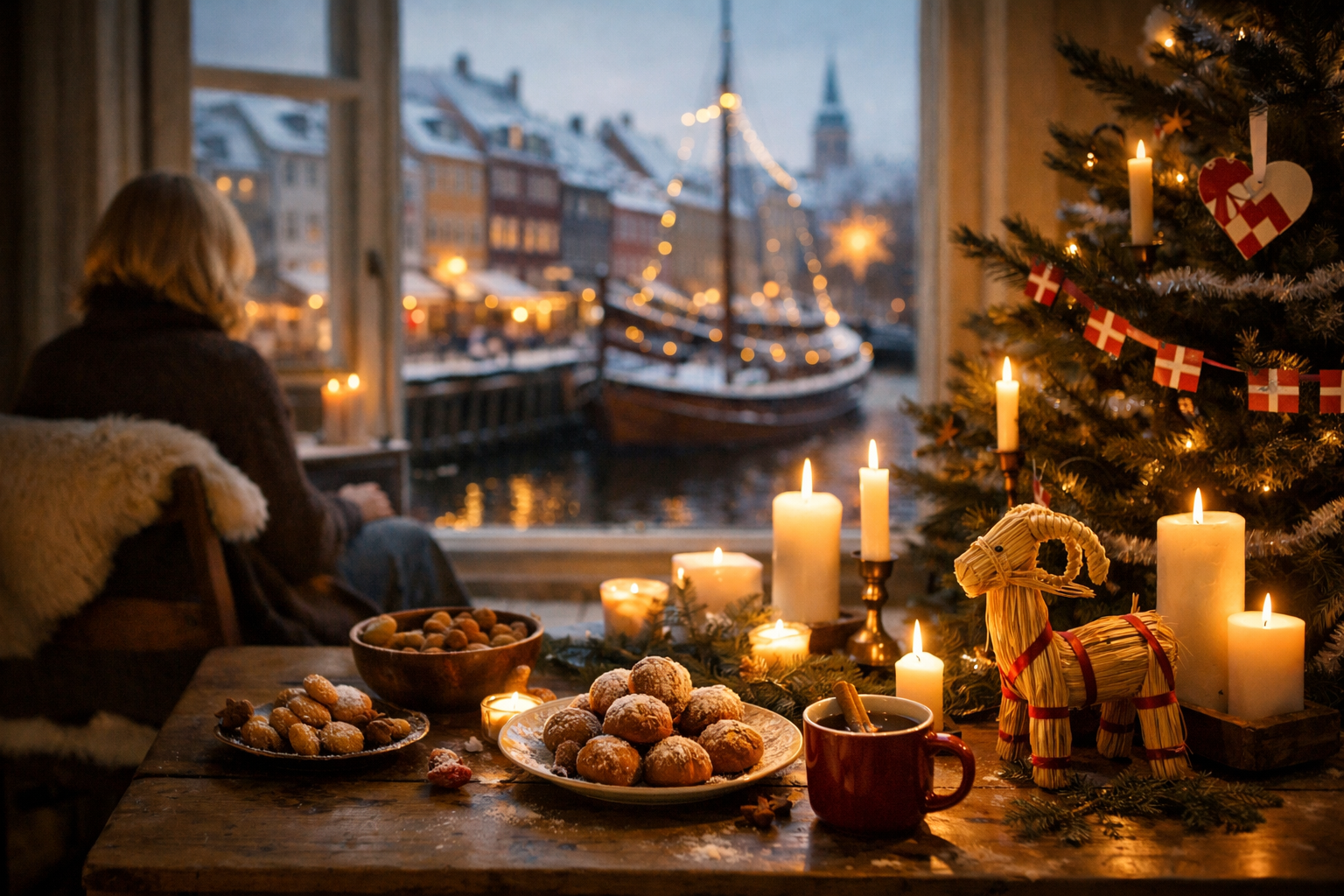
Danish homes undergo a dramatic transformation as jul approaches. Common decorations include:
- Adventskranse (advent wreaths) with four candles, lit one each Sunday before Christmas
- Julemanden (Christmas gnome or elf figurines) placed around the home
- Lysestager (candleholders) and countless candles throughout the house
- Papirklip (paper decorations) cut into intricate patterns
- Guirlander (garlands) made from evergreen branches
The Danish love of candlelight during jul is unmistakable. In fact, Danes burn more candles per capita during the Christmas season than almost any other population in the world. This emphasis on lighting reflects the cultural importance of creating warm, inviting spaces during the dark winter months.
Traditional Customs and Activities
Several customs define the Danish Christmas experience:
- Julekalender (advent calendars) count down the days to Christmas, often containing small treats or activities
- Nissehistorier (stories about the Christmas elf) are shared with children
- Julekoncerter (Christmas concerts) and carol singing events occur throughout December
- Gløgg preparation begins early, with families making this warm, spiced wine
- Kransekage towers are often prepared, especially for New Year celebrations
These customs are excellent topics to study if you're preparing for your Danish citizenship exam, as they demonstrate how cultural traditions reflect Danish values like family, togetherness, and appreciation for nature.
Traditional Danish Christmas Foods
The Christmas Eve Menu
Danish Christmas food is hearty, traditional, and varies slightly by region. The most important meal is julefrokost or julemiddag (Christmas dinner), typically eaten on Christmas Eve (julaften). Traditional dishes include:
- Flæskesteg (roast pork with crispy skin)—the most iconic Danish Christmas dish
- Rødkål (red cabbage) as a traditional side
- Kartofler (boiled potatoes)
- Brunede kartofler (caramelized potatoes)
- Sauce (a rich gravy)
- Rullepølse (liver pâté roll)
Christmas Sweets and Treats
Sweets play an important role in Danish jul:
- Gløgg—a mulled wine served with almonds and raisins
- Æbleskiver—round, fluffy pancakes served with jam and powdered sugar
- Pebernødder—small spiced gingerbread cookies
- Kransekage—a tower made of almond-filled rings, often served at New Year
- Nougat and marzipan candies
These foods aren't just delicious—they're part of Danish cultural identity. Understanding traditional foods is often included in citizenship exam content, as food is a window into culture.
How Danes Celebrate Christmas Day and Beyond
Christmas Eve (Julaften)
Christmas Eve is the main celebration day in Denmark. Families gather in the afternoon to decorate the juletræ (Christmas tree) together—this is a beloved tradition where everyone participates. After decorating, families enjoy their Christmas dinner, sing julesange (Christmas carols), and exchange gifts. The evening often concludes with watching the Queen's Christmas Speech (Dronningens nytårstale), a tradition many Danish families observe together.
Christmas Day and Boxing Day
On December 25th and 26th (2. juliedag), celebrations continue with family visits, more traditional foods, and festive gatherings. Many Danes also participate in the Christmas swim (juleskik), where brave individuals take a dip in the cold Danish sea or lakes—though this is more popular in some regions than others.
New Year Preparations
Danish Christmas celebrations extend through New Year's Eve (nytårsaften). During this period, families continue their julefrokost parties, which are social gatherings with traditional Christmas foods and drinks. The kransekage tower is often served at New Year celebrations, representing good wishes for the coming year.
Conclusion: Understanding Danish Culture Through Jul
Christmas in Denmark is far more than a religious holiday—it's a celebration of Danish culture, values, and community. From the cozy candlelit homes to the traditional foods and family gatherings, jul embodies what it means to be Danish. The emphasis on hygge, family togetherness, and appreciation for tradition reflects core Danish values that you'll encounter throughout Danish society.
For anyone preparing for the Danish citizenship test, understanding jul and other Danish traditions is crucial. It demonstrates your knowledge of Danish culture and values, which are integral to citizenship. As you prepare, consider using comprehensive study tools like Danify to learn not just language skills, but also cultural knowledge that will help you succeed in your citizenship exam and integrate into Danish society.
Whether you're studying for citizenship or simply interested in Danish traditions, jul offers beautiful insights into how Danes celebrate life's most important moments through warmth, togetherness, and cherished customs.
Practical Tips for Your Citizenship Exam
- Learn the names of traditional Christmas foods and customs in Danish
- Understand how jul reflects Danish values like family and community
- Be familiar with dates and key traditions (julaften, juledag, 2. juledag)
- Study how jul differs from Christmas celebrations in other countries
- Remember that jul is primarily celebrated on December 24th in Denmark
Sources & AI note
This article was generated by AI using the sources listed here. Please verify important details in the original sources.
Official Danish government tourism and culture portal providing authoritative information about Danish traditions, customs, and cultural celebrations including Christmas (jul).
https://denmark.dk/en
Official Danish government citizen portal providing information about Danish society, integration, and cultural expectations for residents and citizenship applicants.
https://www.borger.dk/
Official Danish Immigration Service resource providing cultural information and integration guidance for people moving to or becoming citizens of Denmark.
https://www.nyidanmark.dk/en
Comprehensive Danish encyclopedia covering Danish cultural traditions, history, and customs with detailed articles about Christmas (jul) and other celebrations.
https://denstoredanske.dk/
Danish Ministry of Immigration and Integration resource providing official information about Danish culture, values, and what citizenship applicants need to know about Danish society.
https://uim.dk/
Get study tips in your inbox
Exam guides, study strategies, and insider tips for both Danish exams, delivered for free.
Study smarter
Ready to pass your Danish exam?
Danify gives you practice questions, AI-powered hints, and progress tracking, everything you need to prepare with confidence.