The Viking Age in Denmark: History, Myths and Legacy
Discover the fascinating history of the Viking Age in Denmark, from legendary Norse explorers to their lasting cultural impact. Learn key facts for your Danish citizenship exam with Danify.
Introduction
The Viking Age stands as one of the most captivating periods in Danish history, spanning roughly from 793 to 1066 CE. During this era, Danish Vikings became renowned seafarers, traders, and explorers who expanded their influence across Europe, Asia, and even reached North America. Understanding this pivotal chapter is essential for anyone preparing for the Danish citizenship test, as the Viking legacy remains deeply embedded in Danish culture, values, and national identity.
While popular culture often portrays Vikings as purely violent raiders, the historical reality is far more nuanced. Danish Vikings were skilled craftspeople, traders, and settlers who established trade routes that connected the Nordic regions to the Byzantine Empire and the Middle East. This blog post explores the historical facts, separates myths from reality, and examines how the Viking Age continues to influence Denmark today.
The Historical Viking Age in Denmark
Origins and Expansion
The Viking Age began in 793 CE with the famous raid on Lindisfarne monastery in England—an event that shocked Christian Europe and announced the arrival of Norse warriors on the continental stage. However, Danish Vikings had already been preparing for expansion through shipbuilding innovations and coastal settlements along the Jutland Peninsula and Danish islands.
Danish Vikings, distinct from their Norwegian and Swedish counterparts, primarily sailed westward and southward. Key facts for citizenship exam preparation include:
- Danes established themselves in England, particularly in the regions that became known as the Danelaw
- They raided and eventually settled in Normandy, France, with Danish leader Rollo founding a dynasty that would later produce William the Conqueror
- Danish trading networks extended to Russia, the Mediterranean, and beyond
Social Structure and Daily Life
Contrary to stereotypes, Viking society was highly organized with distinct social classes:
- Jarls (nobles) - landowners and military leaders
- Karls (commoners) - farmers, craftspeople, and traders
- Thralls (slaves) - captives and those in bondage
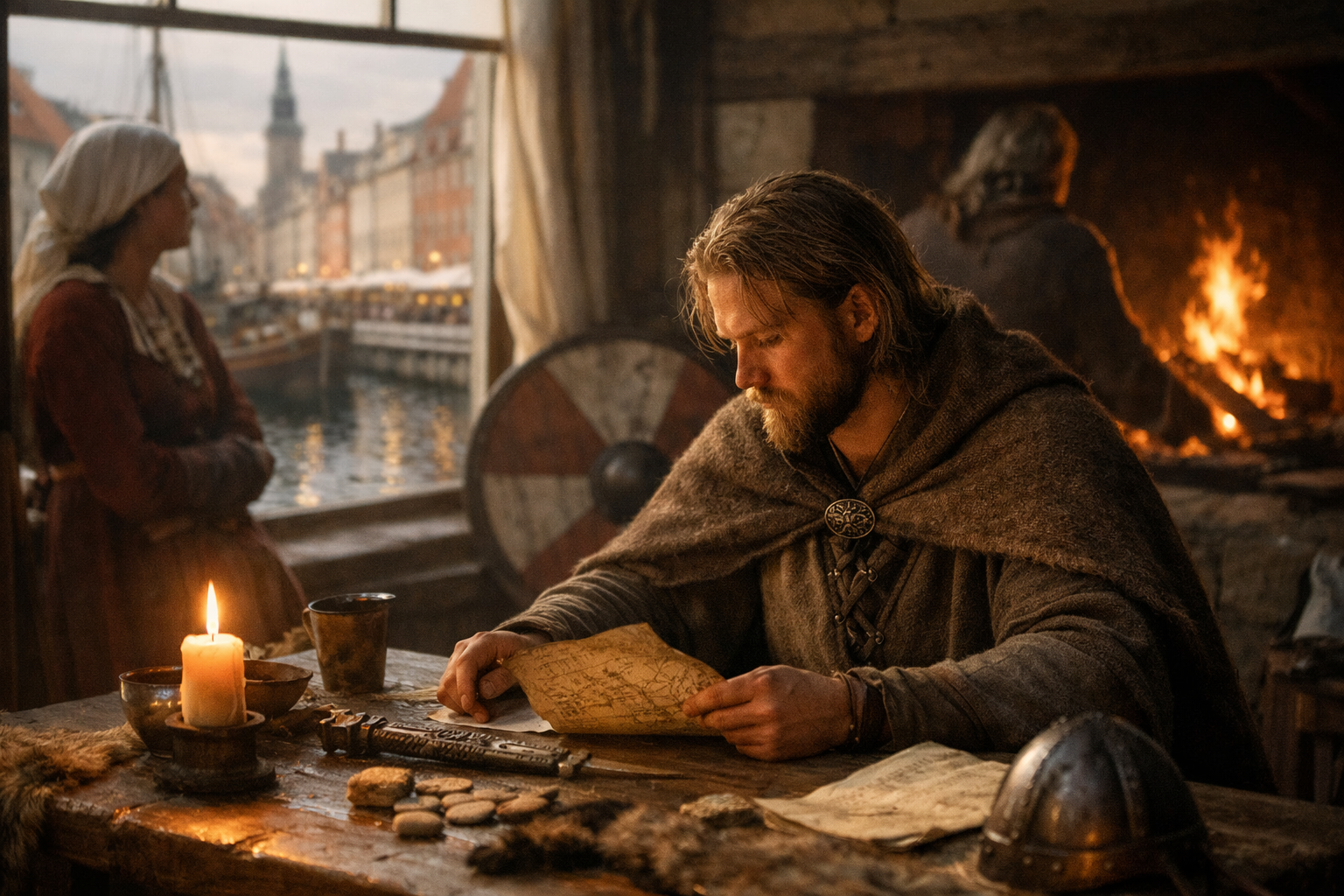
Daily life in Viking Denmark involved sophisticated agriculture, textile production, and maritime activities. Archaeological evidence from sites like Hedeby and Ribe—two of Denmark's oldest towns—reveals that Vikings engaged in complex trade, craftsmanship, and community organization. Women held relatively high status compared to medieval European women, managing households and sometimes commanding ships.
Myths vs. Reality: Debunking Common Misconceptions
The "Horned Helmet" Myth
One of the most persistent myths is that Vikings wore helmets with horns. This is completely false. Archaeological evidence shows that authentic Viking helmets were rounded, conical, or dome-shaped—often featuring a nose guard for protection. The horned helmet myth was invented by 19th-century Romantic artists and perpetuated by opera costume designers. This is an important distinction for the citizenship exam, as understanding accurate historical facts demonstrates genuine knowledge of Danish heritage.
Raiding vs. Trading
While Viking raids certainly occurred and were historically significant, they represent only one aspect of Viking activity. The reality includes:
- Long-distance trade was the primary economic activity for most Viking merchants
- Danish Vikings established permanent settlements rather than engaging in hit-and-run raids exclusively
- Integration with local populations occurred, creating hybrid cultures in England, Normandy, and Russia
The "Dark and Violent" Stereotype
Popular media portrays Vikings as inherently violent and barbaric. However, contemporary sources reveal a more complex picture:
- Vikings developed sophisticated legal systems and parliamentary assemblies (the original Thing)
- They were skilled artists, creating intricate jewelry, metalwork, and carved artifacts
- Literary culture flourished, with the tradition of skalds (poets) recording history and genealogy
The Legacy of the Viking Age in Modern Denmark
Cultural and Linguistic Influence
The Viking Age fundamentally shaped Danish language and culture. Modern Danish retains numerous words of Norse origin, and the Thing system evolved into the modern Danish parliament (Folketing). Understanding these connections helps citizenship test candidates appreciate how Danish governance traditions trace back centuries.
Danish identity is intrinsically linked to this period:
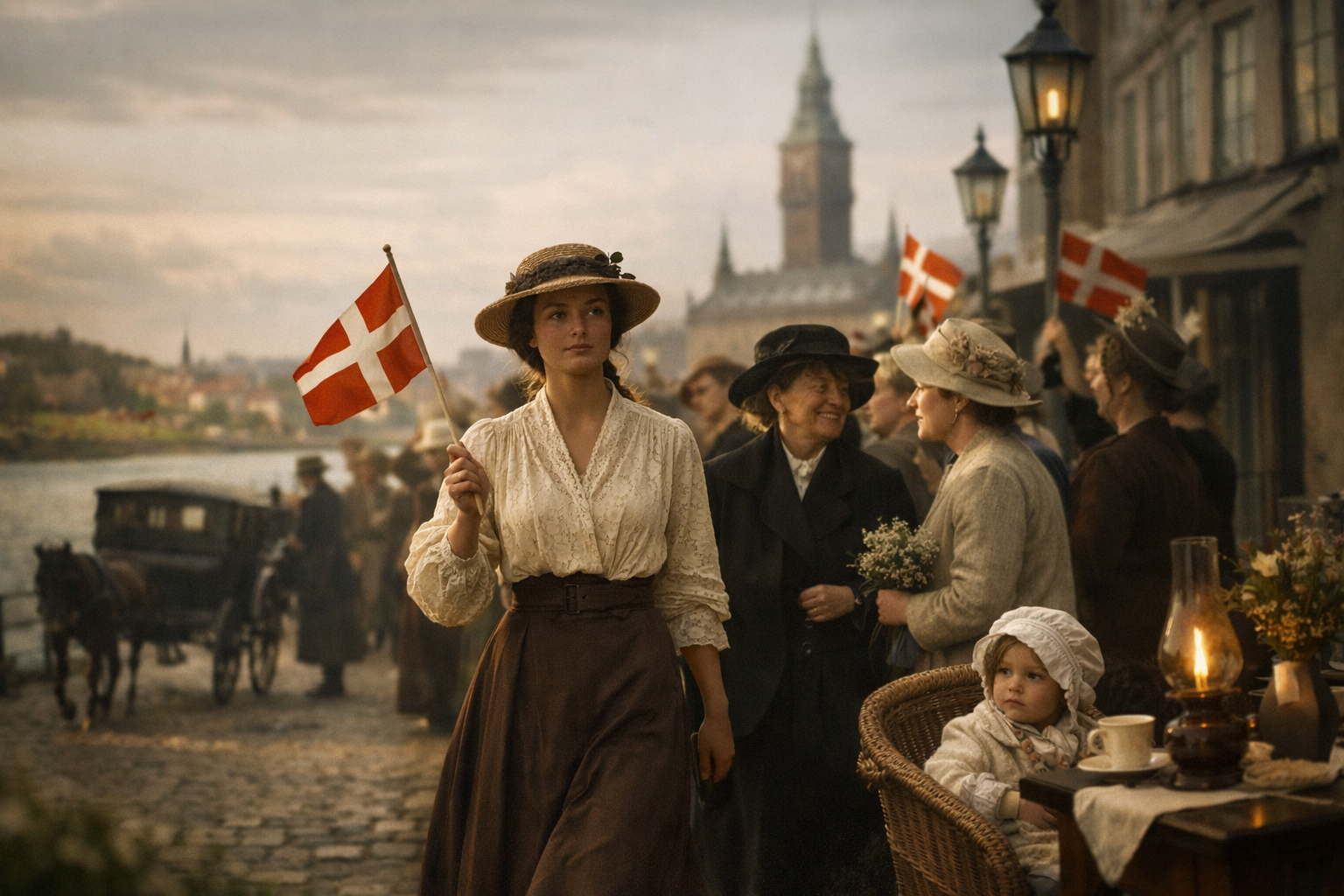
- The Danish flag (Dannebrog) has legendary origins in the medieval period
- Danish values of fairness, communal decision-making, and seafaring tradition connect to Viking heritage
- National holidays and cultural celebrations often reference Viking traditions
Archaeological and Historical Contributions
Denmark hosts world-class archaeological sites that continue to reveal Viking Age secrets:
- The Oseberg ship burial (Norway, but relevant to Scandinavian context) demonstrates advanced shipbuilding
- Hedeby in southern Jutland is a UNESCO World Heritage Site showcasing a major Viking trading center
- Ribe Cathedral stands as Denmark's oldest building, built on a Viking settlement site
These sites and artifacts are crucial study material when preparing for citizenship exams. Using resources like Danify can help you contextualize these historical locations within broader Danish geography and cultural understanding.
Global Historical Impact
The Viking Age's influence extends far beyond Scandinavia:
- Danish Vikings contributed to the founding of Kyiv, Novgorod, and other Russian cities
- They influenced the genetic makeup of England and Normandy
- Norse legal and governmental concepts influenced European political development
Preparing for Your Citizenship Exam: Key Takeaways
For those studying with Danify or other citizenship exam resources, remember these essential points:
- The Viking Age (793-1066 CE) was a period of expansion, trade, and cultural exchange
- Danish Vikings were distinct from Norwegian and Swedish Vikings in their geographic focus
- Modern Danish governance, language, and values retain Viking Age influences
- Archaeological evidence in Denmark provides genuine historical insights
- Separating myth from reality demonstrates authentic understanding of Danish heritage
Conclusion
The Viking Age in Denmark represents far more than the stereotypical image of horned helmets and violent raids. It was a transformative era that established Danish seafaring traditions, legal systems, and cultural values that persist today. By understanding the historical facts, debunking myths, and recognizing the lasting legacy of this period, you gain genuine insight into what makes Denmark unique.
As you prepare for your Danish citizenship test, take time to appreciate the complexity and sophistication of Viking Age society. Visit archaeological sites if possible, read authentic historical sources, and use comprehensive study tools to deepen your understanding. Whether you're studying with Danify or other resources, remember that true knowledge of Danish history enriches not only your exam preparation but your ability to genuinely appreciate and integrate into Danish society.
Ready to deepen your Danish knowledge? Explore more citizenship exam topics and interactive study materials to ensure you're fully prepared for your test.
Sources & AI note
This article was generated by AI using the sources listed here. Please verify important details in the original sources.
Official Danish government tourism and cultural website providing authoritative information about Danish history, heritage sites, and cultural significance of the Viking Age.
https://denmark.dk/en
UNESCO World Heritage Site documentation for Hedeby, a major Viking trading settlement in southern Jutland, with archaeological evidence of Viking Age commerce and settlement.
https://whc.unesco.org/en/list/908/
Official Danish government resource for citizenship and integration information, providing context for civic knowledge requirements including historical understanding.
https://nyidanmark.dk/en/
Denmark's premier museum with extensive Viking Age artifacts, archaeological findings, and scholarly information about the period's material culture and historical significance.
https://www.nationalmuseet.dk/en/
Information about Ribe Cathedral and its foundation on a Viking Age settlement, representing continuity between Viking Age civilization and medieval Denmark.
https://www.ribedomkirke.dk/
Get study tips in your inbox
Exam guides, study strategies, and insider tips for both Danish exams, delivered for free.
Study smarter
Ready to pass your Danish exam?
Danify gives you practice questions, AI-powered hints, and progress tracking, everything you need to prepare with confidence.