The Grundloven: Denmark's Constitution Explained Simply
Understanding Denmark's Grundloven is essential for anyone preparing for the citizenship test. Learn about this foundational document, its history, and why it matters today.

Denmark's constitution, known as Grundloven (literally "the basic law"), is one of the oldest in the world still in use today. If you're preparing for the Danish citizenship test, understanding the Grundloven isn't just about memorizing dates and facts—it's about grasping the fundamental principles that shape Danish society, democracy, and everyday life. This guide breaks down Denmark's constitution into simple, digestible sections that will help you both pass your test and genuinely understand the country you're becoming a part of.
What is the Grundloven?
The Grundloven is Denmark's constitutional document that establishes the framework for how the country is governed. It defines the relationship between the government and its citizens, outlines fundamental rights and freedoms, and sets the rules for how laws are made and enforced.
A Brief History
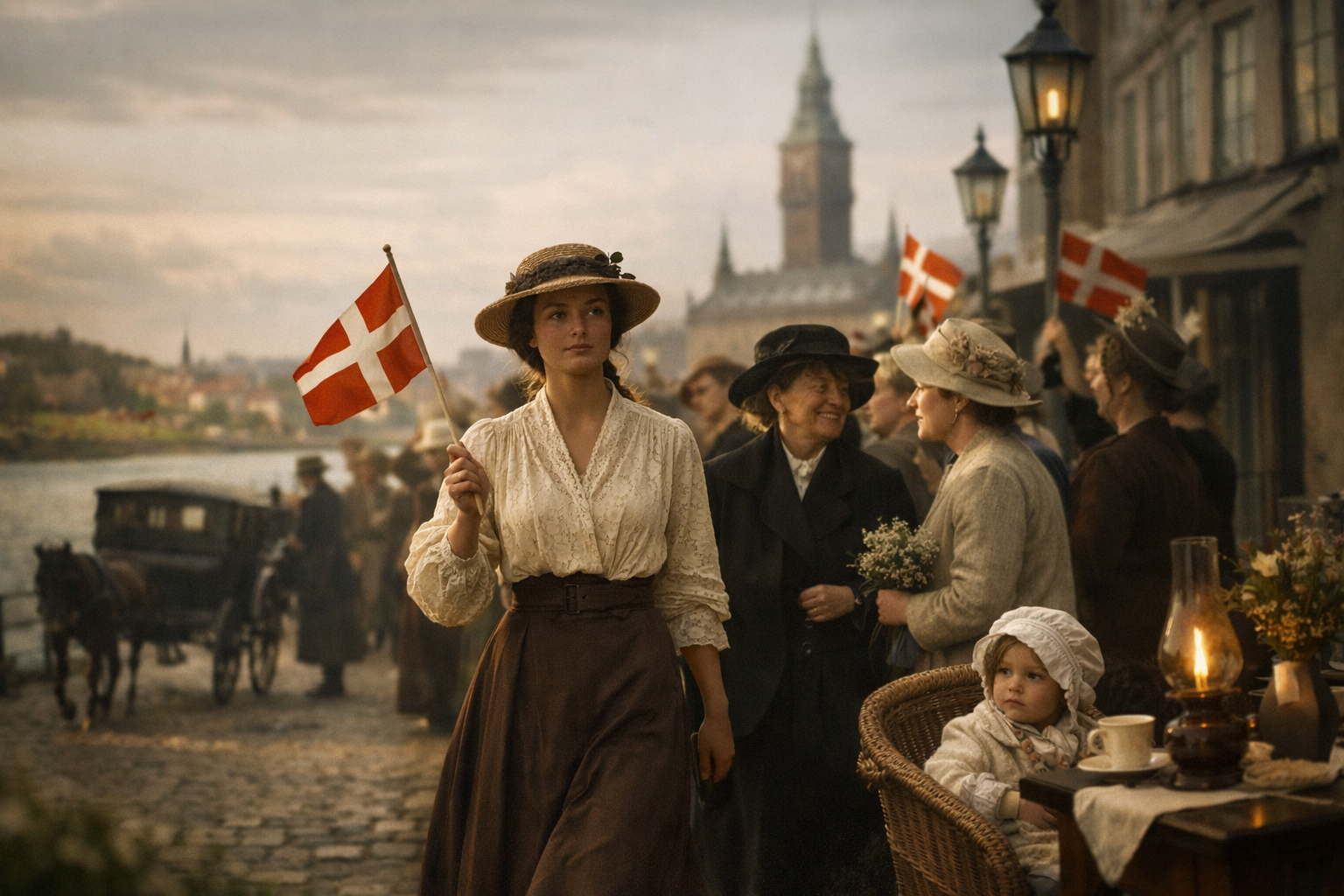
The first Danish constitution was signed on June 5, 1849, marking Denmark's transition from an absolute monarchy to a constitutional monarchy. This date is now celebrated annually as Constitution Day (Grundlovsdag), a public holiday when Danes gather for political speeches and festivities.
The current version of the Grundloven dates from 1953, when significant amendments were made, including:
- Changing from a bicameral to a unicameral parliament (single chamber)
- Establishing the possibility of transferring sovereignty to international organizations (paving the way for EU membership)
- Introducing provisions for Greenlandic representation in the Folketing
- Strengthening individual rights and freedoms
Why It Matters for Your Citizenship Test
Questions about the Grundloven appear regularly on the Danish citizenship exam. You'll need to know key dates (particularly 1849 and 1953), understand basic principles like folkestyre (democracy), and recognize how the constitution shapes modern Danish government. Apps like Danify include targeted questions about the Grundloven to help you master this essential topic.
The Structure of Danish Government According to the Grundloven
The Grundloven establishes Denmark as a constitutional monarchy with a parliamentary system. Understanding this structure is crucial for the citizenship test.
The Monarchy
According to the Grundloven, Denmark's monarch is the formal head of state, but their powers are largely ceremonial. The constitution states that executive power rests with the monarch, but in practice, this power is exercised by the government (ministers). The current monarch, Queen Margrethe II (or her successor), signs laws and formally appoints the prime minister, but these are procedural roles rather than exercises of personal power.
The Folketing (Parliament)
The Folketing is Denmark's parliament, consisting of 179 members:
- 175 elected from Denmark proper
- 2 from Greenland
- 2 from the Faroe Islands
The Grundloven establishes that the Folketing holds legislative power—meaning it creates laws. Elections must be held at least every four years, and Danish citizens aged 18 and over have the right to vote. The constitution requires that any law must be passed by the Folketing to be valid.
The Government
The government, led by the prime minister (statsminister), holds executive power. The prime minister is typically the leader of the largest party or coalition in the Folketing. Ministers don't need to be members of parliament, but they're responsible to the Folketing and can be removed through a vote of no confidence.
The Courts
The Grundloven establishes an independent judicial system. Courts have the authority to review whether laws comply with the constitution, ensuring that neither the Folketing nor the government exceeds their constitutional authority.
Fundamental Rights in the Grundloven
One of the most important aspects of Denmark's constitution is its protection of basic rights and freedoms—concepts you'll definitely encounter in your citizenship preparation.
Personal Freedoms
The Grundloven guarantees several fundamental freedoms:
- Freedom of speech (ytringsfrihed): Citizens can express their opinions, though this comes with responsibilities
- Freedom of religion (religionsfrihed): Everyone can worship according to their beliefs
- Freedom of association (foreningsfrihed): People can form organizations and unions
- Freedom of assembly (forsamlingsfrihed): Citizens can gather peacefully
Property and Privacy Rights
The constitution protects citizens' homes from unreasonable searches and establishes that property cannot be taken without fair compensation. These provisions reflect Denmark's respect for individual privacy and rights.
The Right to Work and Social Support
Interestingly, the Grundloven also addresses social welfare, stating that those unable to support themselves have the right to assistance from public funds. This constitutional provision helps explain Denmark's comprehensive welfare system.
Changing the Grundloven: A Difficult Process
The Grundloven is intentionally difficult to amend, requiring:
- Parliament to pass the proposed change
- A parliamentary election
- The new parliament to pass the same change
- A referendum where at least 40% of all eligible voters approve the change
This rigorous process ensures that constitutional changes reflect broad, sustained public support rather than temporary political trends. For your citizenship test, remember that changes require both parliamentary approval and a referendum.
Notable Referendum Results
Denmark has held several constitutional referendums, with varying results. Understanding that citizens have direct say in constitutional matters illustrates the Danish commitment to folkestyre—rule by the people.
Conclusion: Mastering the Grundloven for Your Citizenship Journey
Understanding the Grundloven means grasping the foundation of Danish democracy, rights, and governance. For the citizenship test, focus on key dates (1849 and 1953), the structure of government (monarchy, Folketing, government, courts), fundamental rights, and how the constitution can be changed. But beyond passing the exam, appreciating the Grundloven helps you understand the values and principles that shape Danish society—from freedom of expression to social welfare to democratic participation.
Ready to master the Grundloven and all other aspects of the Danish citizenship test? Danify offers comprehensive practice questions, clear explanations, and targeted study materials that make preparing for your test straightforward and effective. Download Danify today and take the next confident step toward Danish citizenship!
Sources & AI note
This article was generated by AI using the sources listed here. Please verify important details in the original sources.
Get study tips in your inbox
Exam guides, study strategies, and insider tips for both Danish exams, delivered for free.
Study smarter
Ready to pass your Danish exam?
Danify gives you practice questions, AI-powered hints, and progress tracking, everything you need to prepare with confidence.