Hygge: What This Danish Concept Really Means and Why It Matters
Discover the true meaning of hygge, the Danish concept that has captivated the world. Learn why this cultural cornerstone matters for understanding Danish society and preparing for your citizenship exam.
Introduction
If you're preparing for the Danish citizenship test or simply curious about Danish culture, you've likely encountered the word hygge (pronounced "HOO-gah"). This uniquely Danish concept has become a global phenomenon, inspiring countless books, home décor trends, and lifestyle movements. Yet many people only understand hygge superficially—as cozy evenings by candlelight. The reality is far more nuanced and deeply rooted in Danish values and social life.
Understanding hygge is essential for anyone aspiring to become a Danish citizen, as it reflects fundamental aspects of Danish culture, social traditions, and quality of life. Whether you're using Danify to prepare for your citizenship exam or simply want to better integrate into Danish society, this guide will help you grasp what hygge truly means and why it remains central to Danish identity.
What Does Hygge Really Mean?
The Definition Beyond "Cozy"
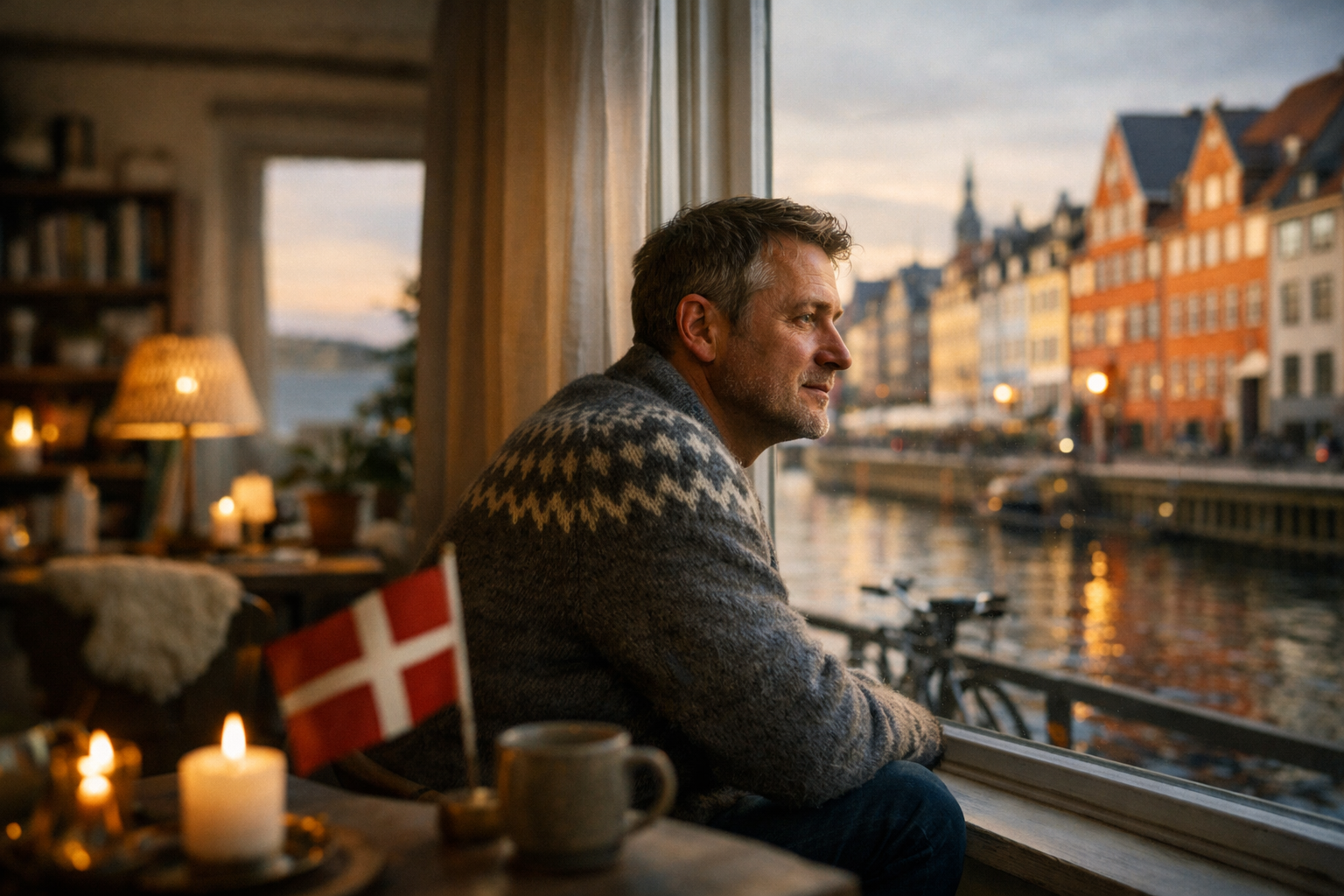
Hygge is often translated as "coziness" or "cozy atmosphere," but this translation falls short of capturing its true essence. The concept encompasses much more than just comfort—it's about creating moments of warmth, togetherness, and contentment in everyday life.
According to Danish culture experts, hygge combines several elements:
- A warm, inviting atmosphere
- Quality time with loved ones
- Comfort and relaxation
- A sense of well-being and peace
- Appreciation for simple pleasures
- Freedom from stress and worry
The word itself has Scandinavian roots, with linguistic connections to Norwegian and Swedish variants. In Danish, it functions both as a noun and a verb—you can experience hygge or "make hygge" ("skabe hygge").
Why English Lacks a Suitable Translation
Danish has a unique cultural concept that English simply cannot adequately express in one word. While "cozy" focuses primarily on physical comfort, hygge is a holistic emotional and social state. It's not just about the environment; it's about the feeling you create within that environment and how you share it with others.
This untranslatable quality makes hygge particularly important when studying for the Danish citizenship test through platforms like Danify, as it demonstrates how language and culture are deeply interconnected in Danish society.
The Cultural Significance of Hygge in Danish Life
Historical and Social Roots
Hygge has deep historical significance in Danish culture, particularly given Denmark's northern climate and long, dark winters. During months when daylight is scarce—with some winter days offering only a few hours of daylight—Danes developed this cultural practice as a way to combat seasonal darkness and create comfort during challenging times.
This historical context is crucial for citizenship exam preparation. Understanding that hygge emerged as a practical and psychological response to environmental conditions shows how culture evolves from necessity and geography.
Hygge as a Social Cornerstone
In contemporary Danish society, hygge remains central to:
- Family gatherings: Danes prioritize creating hygge during family meals and celebrations
- Workplace culture: Even Danish offices cultivate hygge through breaks, social activities, and comfortable spaces
- Community events: Local festivals and social gatherings emphasize creating a hygge atmosphere
- Individual well-being: Hygge practices contribute significantly to Denmark's consistently high happiness and life satisfaction rankings
Denmark regularly ranks among the world's happiest countries in international surveys, and many researchers attribute this partly to the widespread practice of hygge. This connection between cultural values and quality of life is often featured in citizenship exam questions.
How to Create and Experience Hygge
Physical Elements
While hygge isn't purely about material surroundings, certain environmental factors enhance the hygge experience:
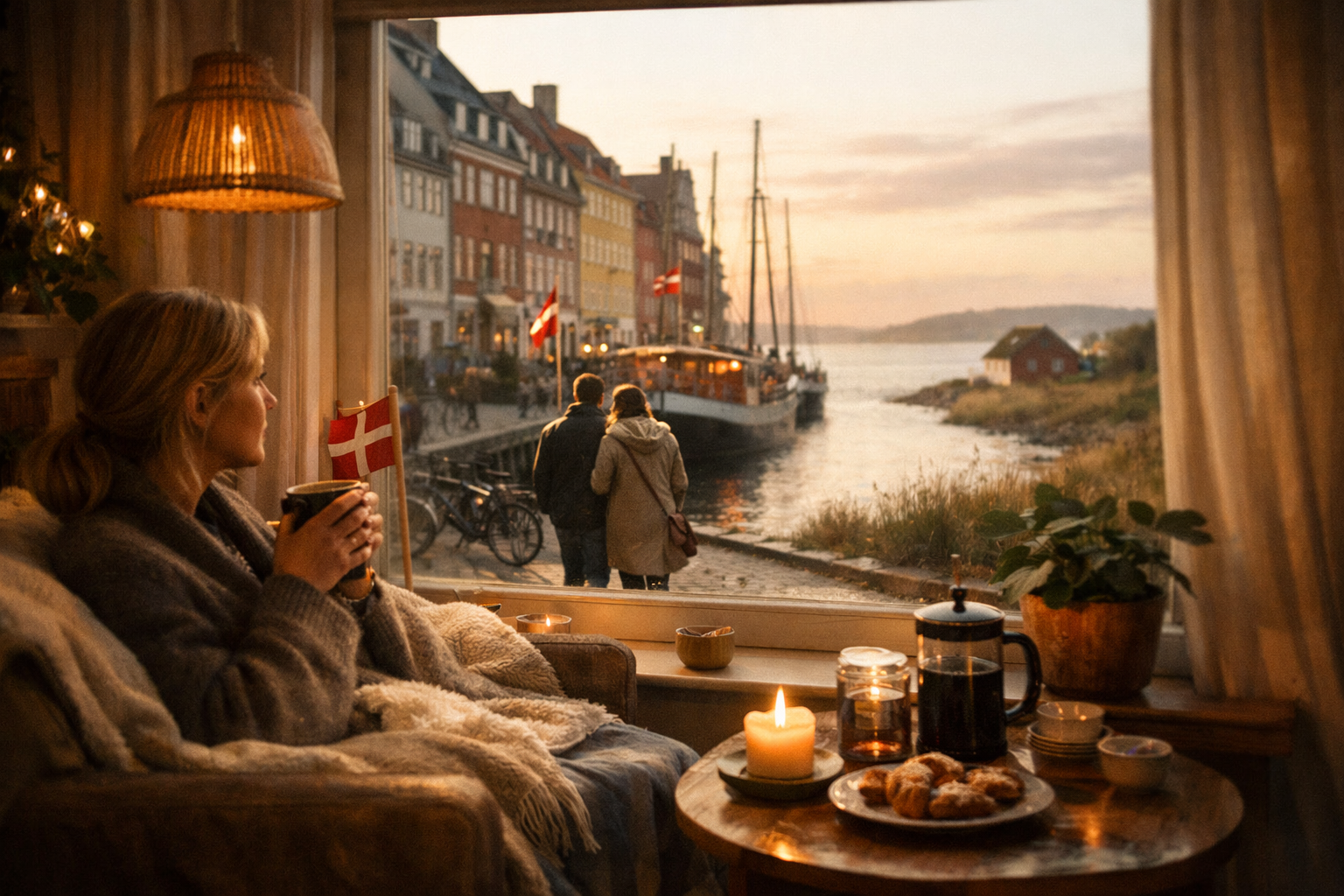
- Lighting: Soft, warm lighting—especially from candles—is essential. Danes use significantly more candles per capita than most countries
- Comfort items: Cozy blankets, cushions, and comfortable seating
- Natural elements: Plants, wood, and natural materials that create warmth
- Cleanliness and order: A tidy, well-organized space contributes to the peaceful feeling
- Appropriate temperature: Warmth is crucial, making fireplaces, heaters, and hot beverages popular
Social and Emotional Components
The social aspect of hygge is equally—if not more—important than the physical environment:
- Undivided attention: Being fully present with the people you're with, without distractions
- Genuine conversation: Meaningful dialogue and authentic connection
- Shared activities: Playing games, cooking together, or simply enjoying refreshments
- Absence of conflict: Hygge requires a peaceful, non-judgmental atmosphere
- Inclusivity: Creating an environment where everyone feels welcome and valued
Practical Tips for Daily Life
You don't need special occasions or elaborate preparations to experience hygge:
- Light candles during dinner or while reading
- Invite friends for coffee and homemade pastries
- Create a comfortable reading nook in your home
- Have a device-free dinner with family
- Wear comfortable clothing and encourage guests to do the same
- Prepare warm drinks and simple, delicious food
- Establish regular "hygge rituals" with loved ones
Hygge and the Danish Citizenship Exam
When preparing for the Danish citizenship test with Danify or other resources, you may encounter questions about hygge in the cultural knowledge section. Understanding hygge demonstrates:
- Knowledge of Danish values and traditions
- Appreciation for Danish quality-of-life priorities
- Understanding of how Danish culture shapes social interactions
- Awareness of seasonal and environmental influences on Danish culture
Essential exam-relevant points about hygge include:
- Its role in Danish identity and social life
- The historical reasons for its development
- How it differs from similar concepts in other Scandinavian countries
- Its connection to Danish design and home culture
- Why it's considered important for Danish well-being and happiness
Conclusion: Embracing Hygge as Part of Danish Integration
Hygge is far more than a trendy lifestyle concept—it's a fundamental expression of Danish values, emphasizing togetherness, comfort, and intentional living. By understanding what hygge truly means, you gain insight into what makes Danish culture unique and why Danes prioritize well-being and social connection.
Whether you're studying for your citizenship exam or planning to make Denmark your permanent home, embracing hygge is a meaningful way to connect with Danish society. Start by creating small moments of hygge in your daily life: light a candle, invite friends for coffee, or simply spend quality time with loved ones without distractions.
As you prepare for your citizenship test, use resources like Danify to deepen your understanding of Danish culture, values, and traditions. Hygge is just one of many fascinating aspects of Danish identity you'll explore—and experiencing it firsthand is one of the best parts of your journey toward becoming a Danish citizen.
Ready to master Danish culture and pass your citizenship exam? Start your Danify study program today and gain comprehensive knowledge of Danish society, values, and traditions.
Sources & AI note
This article was generated by AI using the sources listed here. Please verify important details in the original sources.
Official Danish government portal providing comprehensive information about Danish culture, traditions, and society, including cultural concepts like hygge.
https://denmark.dk/
Official Danish citizen portal with information about citizenship requirements, exam preparation, and integration into Danish society.
https://borger.dk/
Danish Immigration Service (Styrelsen for Internationale Rekruttering og Integration) official website with resources for newcomers and citizenship exam candidates.
https://www.nyidanmark.dk/
International research organization tracking life satisfaction and well-being metrics, documenting Denmark's consistently high happiness rankings related to cultural practices.
https://worldhappiness.report/
UNESCO's documentation of cultural practices and traditions worldwide, providing context for understanding hygge within global cultural frameworks.
https://ich.unesco.org/
Get study tips in your inbox
Exam guides, study strategies, and insider tips for both Danish exams, delivered for free.
Study smarter
Ready to pass your Danish exam?
Danify gives you practice questions, AI-powered hints, and progress tracking, everything you need to prepare with confidence.