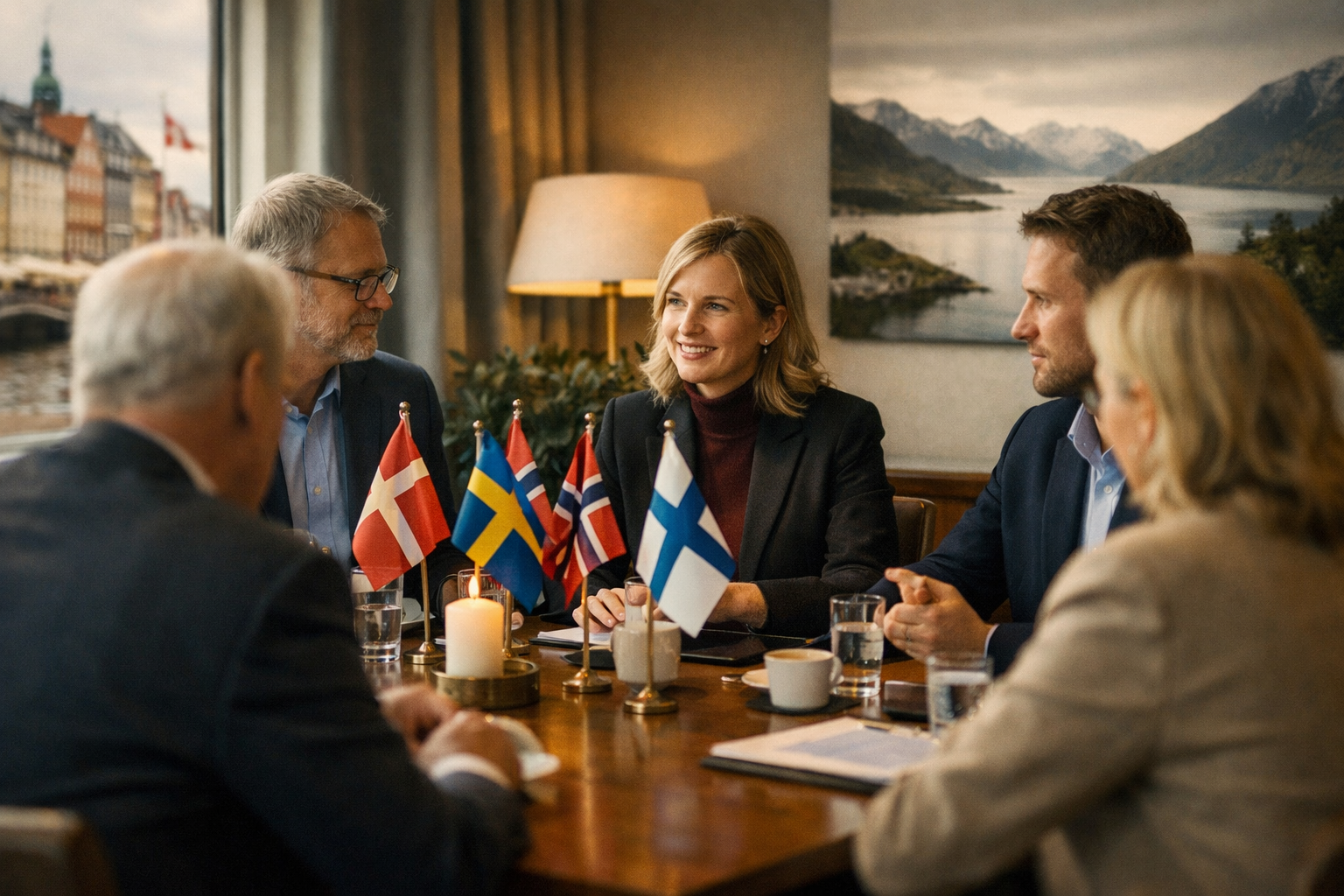
Denmark and NATO: Defense Commitments and Security Policy
Understanding Denmark's role in NATO is essential for citizenship exam candidates. This guide explores Denmark's defense commitments, security policy, and its position within the alliance.

Understanding Denmark's NATO Membership
Denmark has been a NATO member since 1949, making it one of the founding members of the North Atlantic Treaty Organization. This commitment to collective defense is a cornerstone of Danish foreign policy and a topic you'll encounter on the Danish citizenship test. For those preparing with Danify, understanding NATO's role in Danish security is fundamental to grasping modern Danish political identity.
Historical Context
Denmark joined NATO during the early Cold War period, recognizing the importance of collective security in Europe. This membership reflects Denmark's strategic geographic position in Northern Europe and its commitment to democracy and international cooperation. The alliance has shaped Danish defense policy for over seven decades, making it an integral part of Danish governance and society.
Denmark's Role as a NATO Member
As a NATO member, Denmark is bound by Article 5 of the North Atlantic Treaty, which states that an armed attack against one member shall be considered an attack against all. This mutual defense commitment is one of NATO's most important principles. Denmark takes this responsibility seriously and participates actively in NATO operations and defense planning.
Denmark's Defense Commitments and Military Contributions
Defense Spending and NATO Standards
Denmark commits significant resources to its defense budget as a NATO member. The country aims to meet NATO's guideline of spending at least 2% of GDP on defense, demonstrating its serious commitment to collective security. This spending covers military personnel, equipment, infrastructure, and international operations.
Key defense spending areas include:
- Modern military equipment and technology
- Soldier training and professional development
- Naval and air force capabilities
- International military operations and peacekeeping missions
Military Operations and International Contributions
Denmark actively participates in NATO-led operations worldwide. The Danish Armed Forces have deployed personnel in various international missions, contributing to collective security efforts beyond Denmark's borders. These contributions demonstrate Denmark's commitment to the alliance and to international stability.
Denish military contributions have included:
- Participation in NATO training missions
- Naval patrols in strategic waters
- Support for NATO allies in Eastern Europe
- Humanitarian and stabilization operations
For citizenship exam candidates, it's important to recognize that these contributions reflect Danish values of international cooperation and peace promotion.
Danish Security Policy and Modern Challenges
Contemporary Security Concerns
Denmark's security policy has evolved to address modern threats. The geopolitical situation in Europe, particularly developments in Eastern Europe, has influenced Danish defense strategy. Denmark works with NATO allies to address cyber security threats, hybrid warfare, and regional stability concerns.
Current security priorities include:
- Cyber defense against digital threats
- Monitoring and deterring aggressive regional behavior
- Protecting critical infrastructure
- Supporting NATO's northeastern flank
- Maintaining maritime security in the Baltic Sea and North Atlantic
Defense Agreements and Cooperation
Denmark maintains bilateral defense agreements and conducts regular military exercises with NATO partners. These collaborations strengthen interoperability and demonstrate shared commitment to collective defense. The country also cooperates with Nordic neighbors including Sweden (which joined NATO in 2024) and Norway, enhancing regional security cooperation.
Key cooperation frameworks include:
- Bilateral defense agreements with major NATO allies
- Participation in NATO exercises and joint training
- Intelligence sharing with partner nations
- Regional Nordic defense coordination
Preparing for the Citizenship Exam: Key Points to Remember
Essential Knowledge for Test Candidates
When preparing with resources like Danify, focus on these core concepts about Denmark and NATO:
Foundational Facts:
- Denmark is a NATO founding member (since 1949)
- NATO membership is central to Danish foreign and defense policy
- Denmark is committed to spending 2% of GDP on defense
- Article 5 mutual defense is a core NATO principle
- Denmark participates actively in NATO operations and exercises
Political Context:
- NATO membership enjoys broad support across Danish political parties
- Denmark balances NATO commitments with Nordic cooperation
- The Faroe Islands and Greenland have special NATO status arrangements
- Danish defense policy emphasizes deterrence and stability
Exam Tips and Study Strategies
When studying NATO-related questions for the citizenship test, remember these practical tips:
- Understand the "why": NATO membership protects Danish sovereignty and security through collective defense. This reflects democratic values and international law.
- Know the timeline: Denmark joined in 1949 during the Cold War, a decision that remains fundamental to Danish identity today.
- Connect to modern relevance: Recent geopolitical events have reinforced why NATO matters to Denmark and Europe.
- Review government sources: Official Danish government websites contain accurate, up-to-date information about defense policy.
Common Citizenship Test Questions
You might encounter questions such as:
- "When did Denmark join NATO?"
- "What does NATO membership mean for Danish defense?"
- "Name one international operation Denmark participates in."
- "What is Article 5 of the NATO treaty?"
Prepare answers that are factual, concise, and demonstrate understanding of why these commitments matter to modern Denmark.
Conclusion: Denmark's Enduring NATO Commitment
Denmark's membership in NATO represents a fundamental commitment to collective security, democracy, and international cooperation. For citizenship exam candidates, understanding this role is essential to grasping how Denmark positions itself in the world today. The country's defense commitments, military contributions, and participation in NATO operations reflect Danish values and strategic interests.
As you prepare for your citizenship test, remember that NATO membership is not merely a political arrangement—it's a reflection of Danish identity, values, and commitment to European stability. Whether you're studying with Danify or other resources, ensure you understand both the historical context and contemporary relevance of this important alliance.
Ready to test your knowledge? Use official Danish government resources, consult structured study materials, and practice exam questions regularly. NATO and Danish security policy are important topics that demonstrate your understanding of modern Denmark.
Take Action
Start preparing your citizenship exam today by reviewing official sources on Danish defense policy. Use comprehensive study tools to build confidence in your knowledge about Denmark's NATO role and broader foreign policy commitments.
Sources & AI note
This article was generated by AI using the sources listed here. Please verify important details in the original sources.
The official NATO website provides comprehensive information about the alliance, member states including Denmark, defense commitments, and current operations.
https://www.nato.int/
The official portal for information about Denmark, including sections on government, defense policy, and international relations maintained by the Danish government.
https://denmark.dk/
Denmark's Ministry of Defence website provides official information about Danish defense policy, military operations, spending, and NATO commitments.
https://www.fmn.dk/
The Ministry of Foreign Affairs website contains official Danish foreign policy documents, international agreements, and information about Denmark's role in NATO and international security.
https://um.dk/
The official citizen portal for Denmark provides government information relevant to Danish life, including citizenship exam preparation resources and official Danish policy information.
https://www.borger.dk/
Get study tips in your inbox
Exam guides, study strategies, and insider tips for both Danish exams, delivered for free.
Study smarter
Ready to pass your Danish exam?
Danify gives you practice questions, AI-powered hints, and progress tracking, everything you need to prepare with confidence.