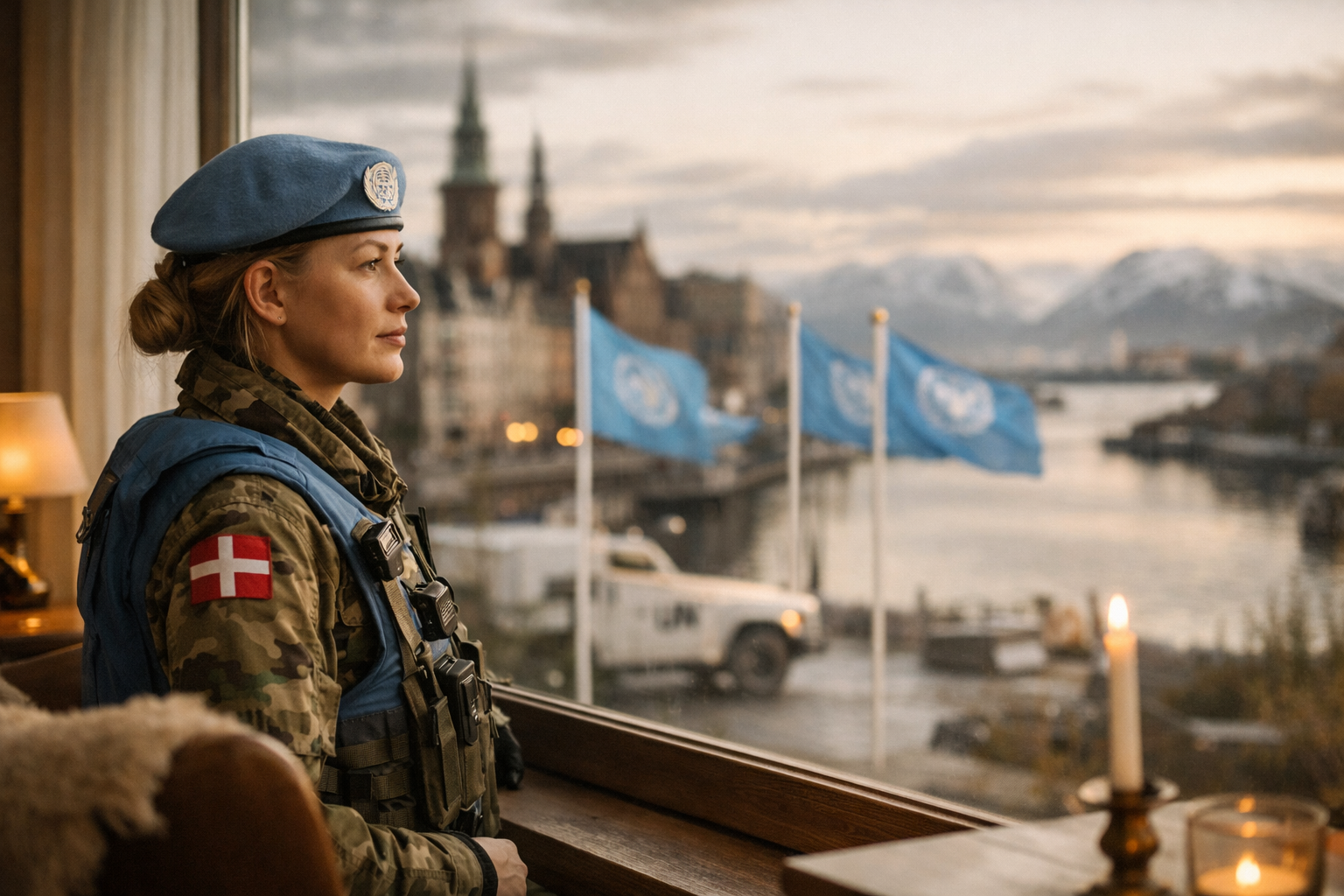
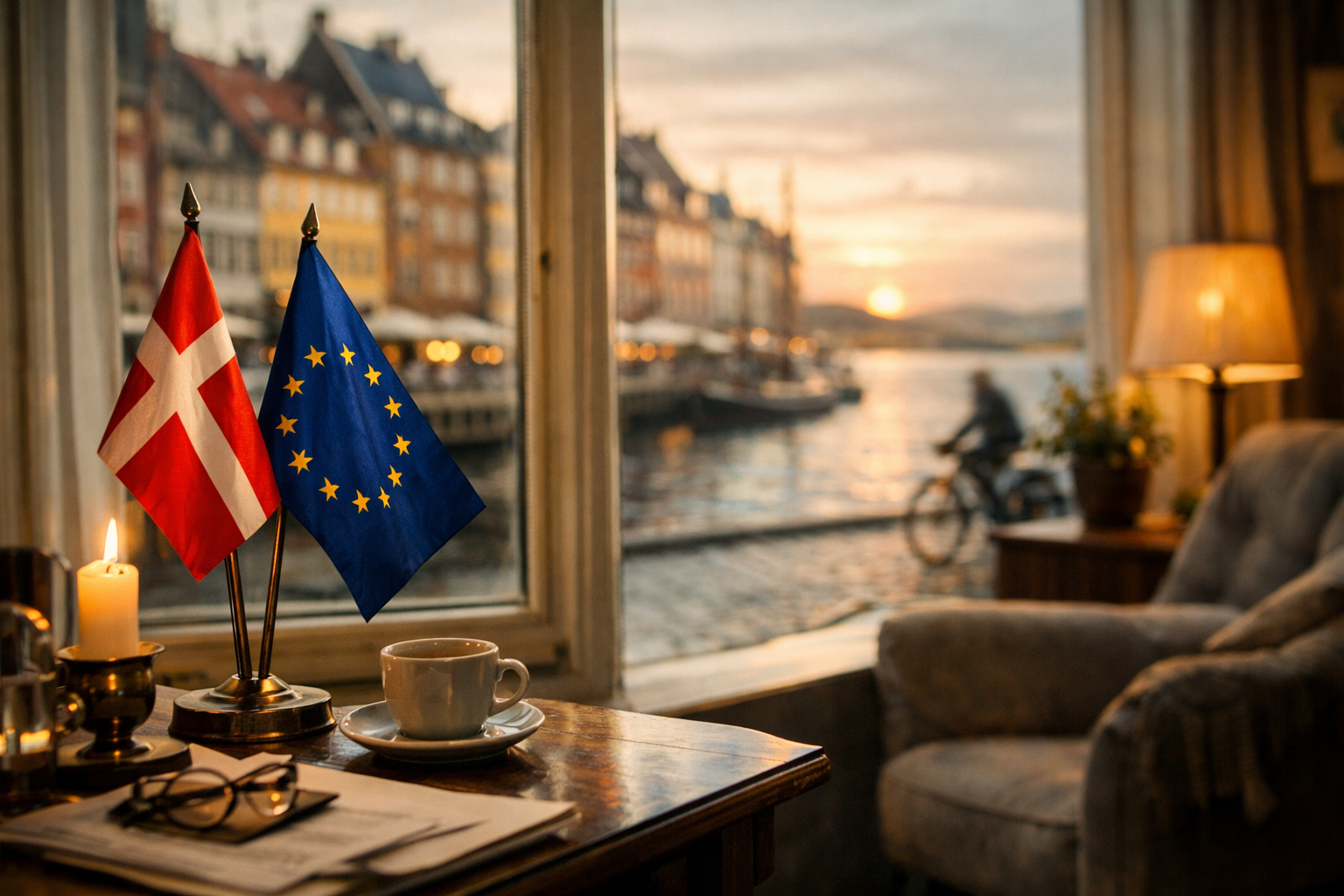
Nordic Cooperation: The Nordic Council and Its Role
Learn about the Nordic Council, its history, functions, and importance for Denmark's regional cooperation. Essential knowledge for Danish citizenship exam preparation.
Introduction
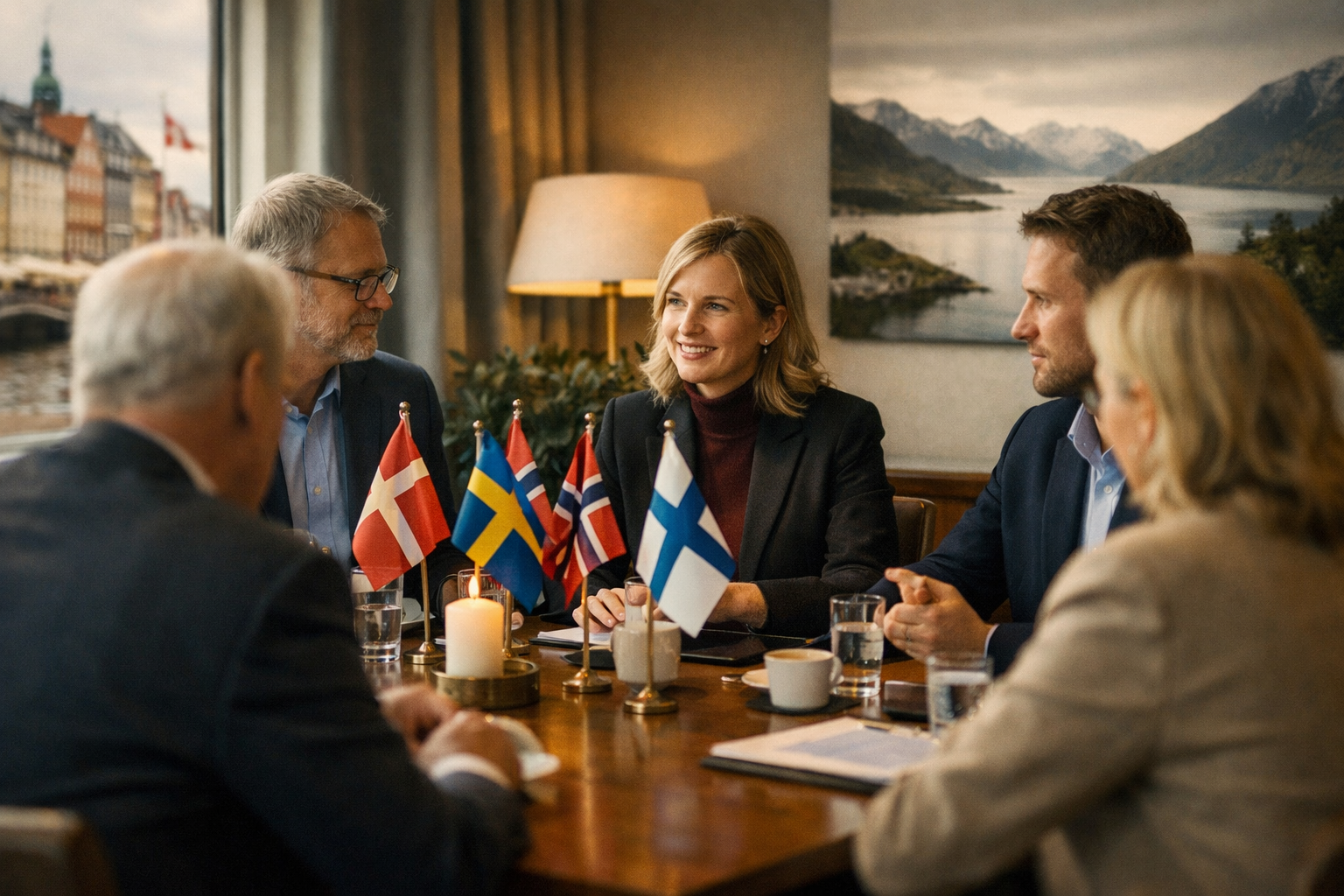
When preparing for the Danish citizenship test, understanding Denmark's role in regional cooperation is crucial. The Nordic Council represents one of the most successful examples of international cooperation in Europe, bringing together Denmark, Sweden, Norway, Finland, and Iceland. This organization has shaped political, cultural, and social development across the Nordic region for over 70 years. Whether you're studying with Danify or preparing independently, grasping the Nordic Council's purpose and structure will strengthen your knowledge of Denmark's international relations and governance.
What is the Nordic Council?
Historical Background and Formation
The Nordic Council was established in 1952 as an interparliamentary organization designed to foster cooperation among Nordic countries. It emerged during the post-World War II era when Nordic nations sought to strengthen ties and coordinate policies across shared interests. The organization began with Denmark, Norway, and Sweden, later expanding to include Finland in 1955 and Iceland in 1971.
The council was born from a recognition that the Nordic countries, despite their geographical proximity and cultural similarities, could benefit from formalized cooperation mechanisms. This period marked a turning point in how Nordic nations approached international relations—moving from isolation toward integration and collaboration.
Core Purpose and Values
The Nordic Council's primary mission is to promote cooperation and coordinate policies among member states. Rather than creating binding legislation, the council functions as a forum for discussion, recommendation, and consensual decision-making. Key values that guide the organization include:
- Democracy and rule of law
- Economic cooperation and development
- Cultural exchange and identity
- Environmental protection
- Social welfare coordination
Understanding these foundational principles is valuable for citizenship exam candidates, as they reflect Denmark's broader commitment to democratic values and regional responsibility.
Structure and Organization of the Nordic Council
Composition and Decision-Making
The Nordic Council comprises 87 members appointed by national parliaments from Denmark, Sweden, Norway, Finland, and Iceland. Each country sends representatives proportional to its population, ensuring balanced representation. Denmark typically sends around 16-18 members, reflecting its population size.
The council operates through several key bodies:
- The Presidium: Elected leadership responsible for overall direction
- Committees: Specialized bodies focusing on specific policy areas (economics, environment, culture, social affairs)
- The General Committee: Handles coordination and procedural matters
- The Secretariat: Manages administrative functions and day-to-day operations
The Nordic Council of Ministers
Complementing the Nordic Council is the Nordic Council of Ministers, established in 1971. This organization brings together government ministers from member states to make formal decisions and implement policies. While the Nordic Council is primarily consultative and representative, the Council of Ministers has executive authority.
For citizenship exam preparation, it's important to distinguish between these two bodies—the Nordic Council is parliamentarian and advisory, while the Council of Ministers is governmental and decision-making. Tools like Danify can help you practice these distinctions through targeted questions.
Key Areas of Nordic Cooperation
Political and Democratic Collaboration
The Nordic Council serves as a platform for political dialogue on democracy, human rights, and constitutional matters. Member states regularly discuss legislative developments, legal harmonization, and shared democratic challenges. This cooperation strengthens democratic institutions across the region and provides a forum for resolving disagreements through consensus-building.
Denmark, as a founding member, has played an instrumental role in maintaining this tradition of democratic exchange. The council has been particularly active in supporting democratic development in neighboring regions and sharing best practices among Nordic parliaments.
Economic and Trade Cooperation
Economic integration represents a cornerstone of Nordic cooperation. The council facilitates discussions on:
- Trade policies and market integration
- Labor market mobility
- Business and entrepreneurship initiatives
- Infrastructure development
- Digital economy and innovation
Nordic citizens enjoy seamless labor mobility—you can work, study, and live across Nordic countries with minimal restrictions. This freedom stems largely from agreements coordinated through the Nordic Council framework.
Cultural and Social Exchange
Cultural cooperation is deeply embedded in the Nordic Council's work. The organization supports:
- Educational exchange programs
- Cultural events and initiatives
- Language learning and preservation
- Social research collaboration
- Environmental sustainability projects
These initiatives reinforce the shared Nordic identity while respecting each nation's unique cultural heritage. For citizenship candidates, recognizing Denmark's commitment to cultural exchange demonstrates understanding of the nation's values and international responsibilities.
Environmental Protection and Sustainability
The Nordic Council has been pioneering environmental cooperation since the 1970s. Member states collaborate on:
- Climate change mitigation
- Arctic protection and research
- Renewable energy development
- Marine conservation
- Environmental legislation harmonization
This commitment to sustainability reflects Denmark's broader environmental policy leadership and the Nordic region's progressive approach to ecological challenges.
Practical Exam Tips for Understanding Nordic Cooperation
When preparing for citizenship exam questions about the Nordic Council, remember these key points:
- Founding year: 1952 (question: "When was the Nordic Council established?")
- Member states: Denmark, Sweden, Norway, Finland, Iceland (5 countries total)
- Primary function: Advisory and coordinating role in interparliamentary cooperation
- Council of Ministers: The executive decision-making body established in 1971
- Key achievement: Creating seamless cooperation frameworks that benefit all Nordic citizens
As you study with resources like Danify, focus on distinguishing between the Nordic Council and the Council of Ministers—exam questions frequently test this distinction. Additionally, understand how Nordic cooperation reflects Denmark's commitment to democracy, sustainability, and regional responsibility.
Conclusion
The Nordic Council represents a model of successful regional cooperation that has shaped Denmark's international relations for over seven decades. By understanding its structure, functions, and key areas of collaboration, citizenship candidates gain valuable insight into how Denmark engages with neighboring countries and contributes to regional stability and progress.
The council demonstrates that Nordic nations can maintain their sovereignty while pursuing common interests through consensus and democratic dialogue. This balance between independence and cooperation is fundamental to understanding modern Denmark and its role in international affairs.
As you prepare for the Danish citizenship test, use dedicated study tools like Danify to reinforce your knowledge of the Nordic Council and other governance structures. Understanding these institutions will not only help you pass the exam but also deepen your comprehension of the values and systems that define Danish society.
Ready to test your knowledge? Start your citizenship exam preparation today and master topics like Nordic cooperation with interactive, targeted study materials.
Sources & AI note
This article was generated by AI using the sources listed here. Please verify important details in the original sources.
The official Nordic Council website providing comprehensive information about the organization's history, structure, member states, and ongoing initiatives in regional cooperation.
https://www.norden.org/en
Official Danish government resource for integration and citizenship information, including details about Denmark's international roles and regional cooperation frameworks.
https://www.nyidanmark.dk/en
Danish government's official citizen portal providing authoritative information about Danish institutions, governance, and international relationships including Nordic cooperation.
https://borger.dk/english
Official Danish Ministry of Foreign Affairs website containing detailed information about Denmark's international cooperation, Nordic partnerships, and regional policy initiatives.
https://um.dk/en
Official information about the Nordic Council of Ministers, its governance structure, decision-making processes, and policy areas including economics, environment, and social affairs.
https://www.norden.org/en/nordic-council-ministers
Get study tips in your inbox
Exam guides, study strategies, and insider tips for both Danish exams, delivered for free.
Study smarter
Ready to pass your Danish exam?
Danify gives you practice questions, AI-powered hints, and progress tracking, everything you need to prepare with confidence.