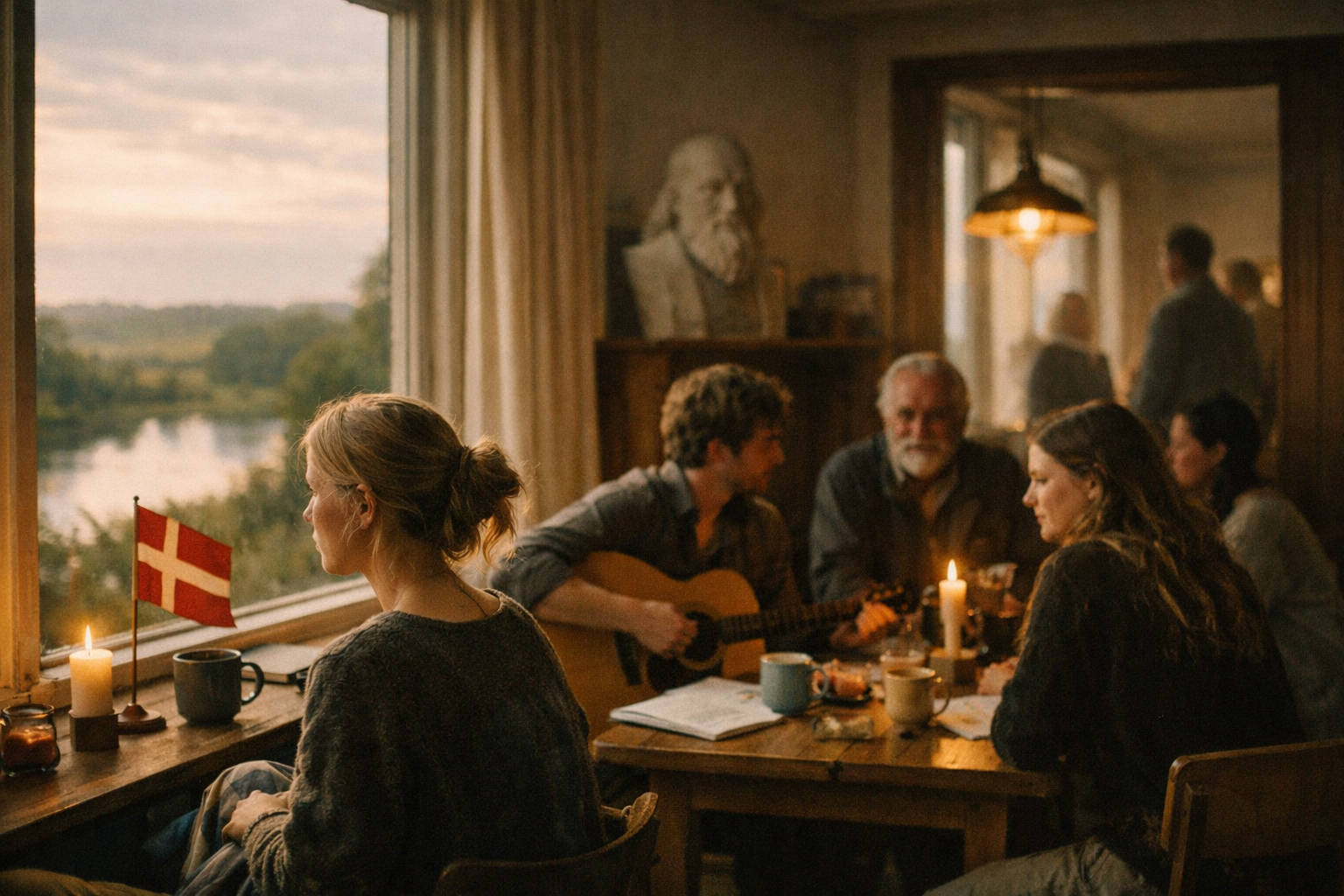
Danish Festivals: Roskilde, Sankt Hans and Midsummer Traditions
Discover Denmark's most beloved festivals and summer traditions, from the world-famous Roskilde Festival to the magical Sankt Hans Aften celebrations. Learn how these cultural events reflect Danish values and heritage.
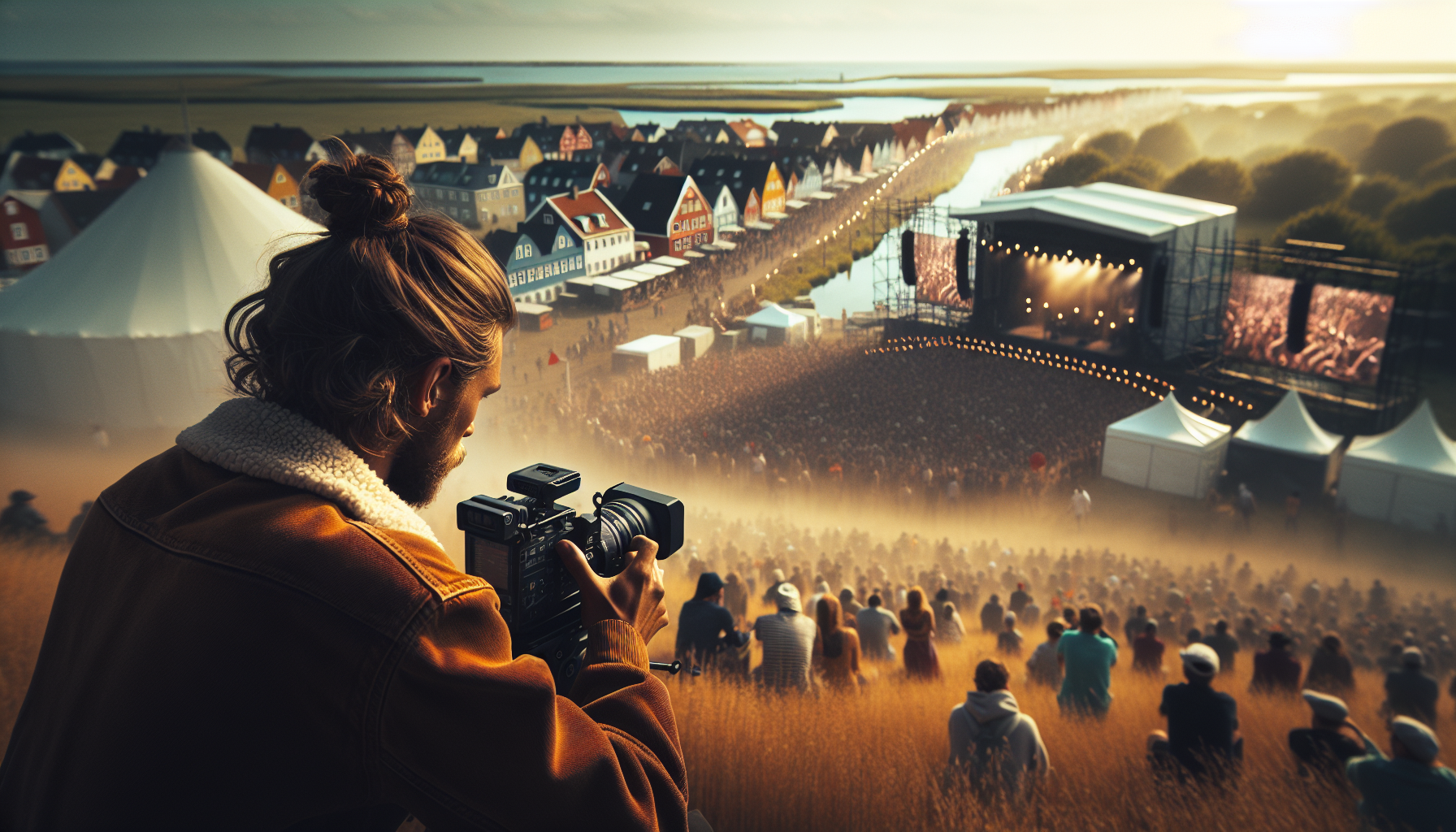
Understanding Danish cultural traditions is an essential part of integrating into Danish society and preparing for your citizenship test. Denmark's festival calendar reflects the country's rich history, strong community values, and connection to nature. From the legendary Roskilde Festival to the enchanting Sankt Hans Aften celebrations, these events offer insight into what makes Danish culture unique.
Roskilde Festival: Denmark's Iconic Music Event
Roskilde Festival is one of Europe's largest and oldest music festivals, held annually in the town of Roskilde, about 30 kilometers west of Copenhagen. Founded in 1971, this week-long event has become a cornerstone of Danish summer culture and a significant part of the nation's cultural identity.
History and Cultural Significance
What began as a small music gathering organized by two high school students has evolved into a major international festival attracting over 130,000 visitors annually. The festival is organized as a non-profit event, with all proceeds supporting cultural and humanitarian causes. This charitable aspect reflects important Danish values of social responsibility and community engagement.
The festival typically takes place in late June or early July and features performances from internationally renowned artists across multiple genres, from rock and pop to electronic and hip-hop. Beyond music, Roskilde Festival has become a cultural phenomenon that embodies Danish youth culture and the concept of fællesskab (community spirit).
What Makes It Uniquely Danish
Roskilde Festival exemplifies several key aspects of Danish culture:
- Volunteer culture: The festival relies on approximately 30,000 volunteers who work in exchange for tickets, demonstrating the Danish tradition of collective effort
- Democratic organization: As a non-profit organized by a foundation, it reflects Danish values of equality and shared benefit
- Environmental consciousness: The festival has implemented numerous sustainability initiatives, aligning with Denmark's environmental priorities
- Inclusive atmosphere: The festival promotes diversity and social awareness through various initiatives and programming
Sankt Hans Aften: Celebrating Midsummer
Sankt Hans Aften (St. John's Eve), celebrated on June 23rd, is one of Denmark's most cherished traditional holidays. This midsummer celebration marks the longest day of the year and combines Christian traditions with ancient pagan summer solstice rituals.
The Bonfire Tradition
The centerpiece of Sankt Hans celebrations is the bonfire (bål), lit on beaches, in parks, and in communities across Denmark as darkness falls. Traditionally, an effigy of a witch is placed atop the bonfire. This custom has historical roots in the belief that witches would fly to Bloksbjerg in Germany on this night. Burning the witch symbolically sends her away, though today it's viewed as a harmless folkloric tradition rather than any serious superstition.
Traditional Songs and Speeches
Gatherings around the bonfire typically include:
- Singing "Vi elsker vort land" (We Love Our Country) and other traditional Danish songs
- Community speeches that often reflect on Danish nature, summer, and togetherness
- Enjoying food and drinks with family and neighbors
- Staying outdoors late into the bright Nordic summer evening
Regional Variations
While the basic elements remain consistent, Sankt Hans celebrations vary across Denmark:
- Coastal areas: Bonfires are often built on beaches with celebrations extending into the night
- Rural communities: Villages may organize communal events in local fields or town squares
- Urban areas: Parks and harbors host organized events with speeches and entertainment
Midsummer Traditions and Danish Culture
Midsummer (Midsommer) represents more than just Sankt Hans Aften in Danish culture. The entire period around the summer solstice carries special significance and involves various traditions that reflect Denmark's connection to nature and seasonal rhythms.
The Importance of Nature and Light
Given Denmark's northern latitude, the dramatic difference between winter darkness and summer light holds profound cultural importance. The summer solstice, with nearly 18 hours of daylight in Copenhagen, is a time to celebrate light, nature, and outdoor living.
This connection to seasonal changes and nature is deeply embedded in Danish culture and relates to concepts like hygge (coziness) in winter and its summer equivalent of enjoying outdoor activities and social gatherings during the bright months.
Summer Holidays and Work-Life Balance
The midsummer period also marks the beginning of Denmark's main holiday season. Many Danes take extended summer vacations in July, reflecting the strong Danish emphasis on work-life balance. This cultural priority is important to understand for anyone integrating into Danish society or preparing for citizenship.
Modern Celebrations and Adaptations
While rooted in tradition, Danish midsummer celebrations have adapted to contemporary times:
- Increased focus on sustainability and environmentally friendly bonfire practices
- Inclusive community events that welcome newcomers and international residents
- Combination of traditional elements with modern entertainment and activities
- Social media sharing of festivities, spreading awareness of Danish traditions
Preparing for Your Danish Citizenship Test
Understanding Danish festivals and traditions is crucial for the citizenship test, as questions often cover cultural practices, national celebrations, and what these events reveal about Danish values.
Key Points to Remember
For your citizenship examination, focus on:
- Roskilde Festival as a major cultural event with charitable purposes
- Sankt Hans Aften celebrated on June 23rd with bonfires and traditional songs
- The connection between midsummer traditions and Danish values like community (fællesskab) and connection to nature
- How these celebrations reflect Danish culture and social cohesion
Using Danify can help you prepare effectively by providing practice questions and detailed information about Danish culture, history, and society. The app offers structured learning modules that cover all aspects of the citizenship test, including cultural traditions and celebrations.
Conclusion
Danish festivals like Roskilde Festival and Sankt Hans Aften celebrations offer windows into the values, history, and community spirit that define Denmark. These traditions—from massive music festivals organized as non-profit ventures to intimate community gatherings around midsummer bonfires—demonstrate the Danish commitment to fællesskab, sustainability, and maintaining cultural heritage while embracing modernity.
Whether you're preparing for your citizenship test or simply seeking to understand Danish culture better, familiarizing yourself with these celebrations will deepen your appreciation for Danish society. Ready to ace your citizenship test? Download Danify today to access comprehensive study materials, practice questions, and expert guidance on all aspects of Danish culture, history, and society. Start your journey to Danish citizenship with confidence!
Sources & AI note
This article was generated by AI using the sources listed here. Please verify important details in the original sources.
Official Danish government portal providing information about Danish culture, traditions, and society including Sankt Hans celebrations and midsummer traditions.
https://denmark.dk/
Official Roskilde Festival website providing historical information, organizational structure, and details about Denmark's largest music festival and its charitable mission.
https://www.roskilde-festival.dk/en/about/
Official Danish Immigration Service site offering information about Danish society, culture, and traditions relevant for newcomers and citizenship applicants.
https://www.nyidanmark.dk/
Official tourism portal featuring comprehensive information about Danish festivals, cultural events, and traditions throughout the year.
https://www.visitdenmark.com/
Get study tips in your inbox
Exam guides, study strategies, and insider tips for both Danish exams, delivered for free.
Study smarter
Ready to pass your Danish exam?
Danify gives you practice questions, AI-powered hints, and progress tracking, everything you need to prepare with confidence.