Danish Design: The Legacy of Modernism and Functionality
Discover how Danish design philosophy shaped modern aesthetics worldwide. Learn about the principles of hygge, minimalism, and functionality that define Danish culture—essential knowledge for your citizenship exam preparation.

Introduction
Danish design stands as one of Denmark's most significant cultural exports, recognized globally for its elegant simplicity, functionality, and timeless beauty. From furniture to architecture, Danish designers have fundamentally influenced how people around the world think about everyday objects and living spaces. Understanding Danish design is not just about appreciating beautiful aesthetics—it reflects core Danish values of sustainability, equality, and practicality that permeate Danish society. As you prepare for your Danish citizenship test with Danify, grasping these cultural pillars will deepen your understanding of Danish identity and help you answer cultural questions with confidence.
The Foundations of Danish Design Philosophy
Origins in the Modernist Movement
Danish design emerged prominently during the early 20th century, drawing inspiration from the broader modernist movement sweeping across Europe. However, Danish designers took a distinctly different approach compared to their continental counterparts. While German Bauhaus emphasized industrial production and strict geometric forms, Danish modernists blended these principles with organic shapes and natural materials. This unique fusion created the distinctive aesthetic we recognize today.
The period following World War II proved particularly pivotal for Danish design. As Denmark rebuilt its economy, the country's designers gained international recognition, particularly through furniture design. Brands and designers from this era established Denmark as a design powerhouse that continues to influence contemporary creativity.
Core Principles: Function Meets Beauty
At the heart of Danish design lies a deceptively simple philosophy: "form follows function." This principle means that the design of an object should be determined primarily by its intended use, not by ornamental decoration. Danish designers rejected unnecessary embellishment in favor of clean lines, practical solutions, and honest materials.
Key characteristics of Danish design include:
- Minimalism: Stripping away excess to reveal essential beauty
- Natural materials: Prioritizing wood, leather, and textiles that age gracefully
- Ergonomics: Creating furniture and objects designed for human comfort
- Sustainability: Building products meant to last generations, not seasons
- Democratic design: Making quality design accessible to ordinary people, not just elites
Iconic Designers and Furniture That Changed the World
Legends of Danish Modernism
Several visionary designers defined Danish design and continue to inspire creators worldwide. Arne Jacobsen revolutionized chair design with iconic pieces like the Egg Chair and the Series 7 chair, which combined sculptural form with unprecedented comfort. His work exemplified how Danish design could be both artistic and supremely functional.
Hans Wegner, often called the "master of the chair," created over 500 designs during his lifetime. His Wishbone Chair and Papa Bear Chair demonstrate his philosophy of creating furniture that respects both human needs and natural materials. Wegner's work epitomizes the democratic design principle—his chairs were beautiful enough for museums yet affordable for average Danish families.
Alvar Aalto, though Finnish, heavily influenced Danish design through his organic modernism approach, inspiring Danish designers like Poul Henningsen to develop the iconic PH Lamp, which revolutionized functional lighting through its innovative use of reflectors and materials.
Furniture as Cultural Expression
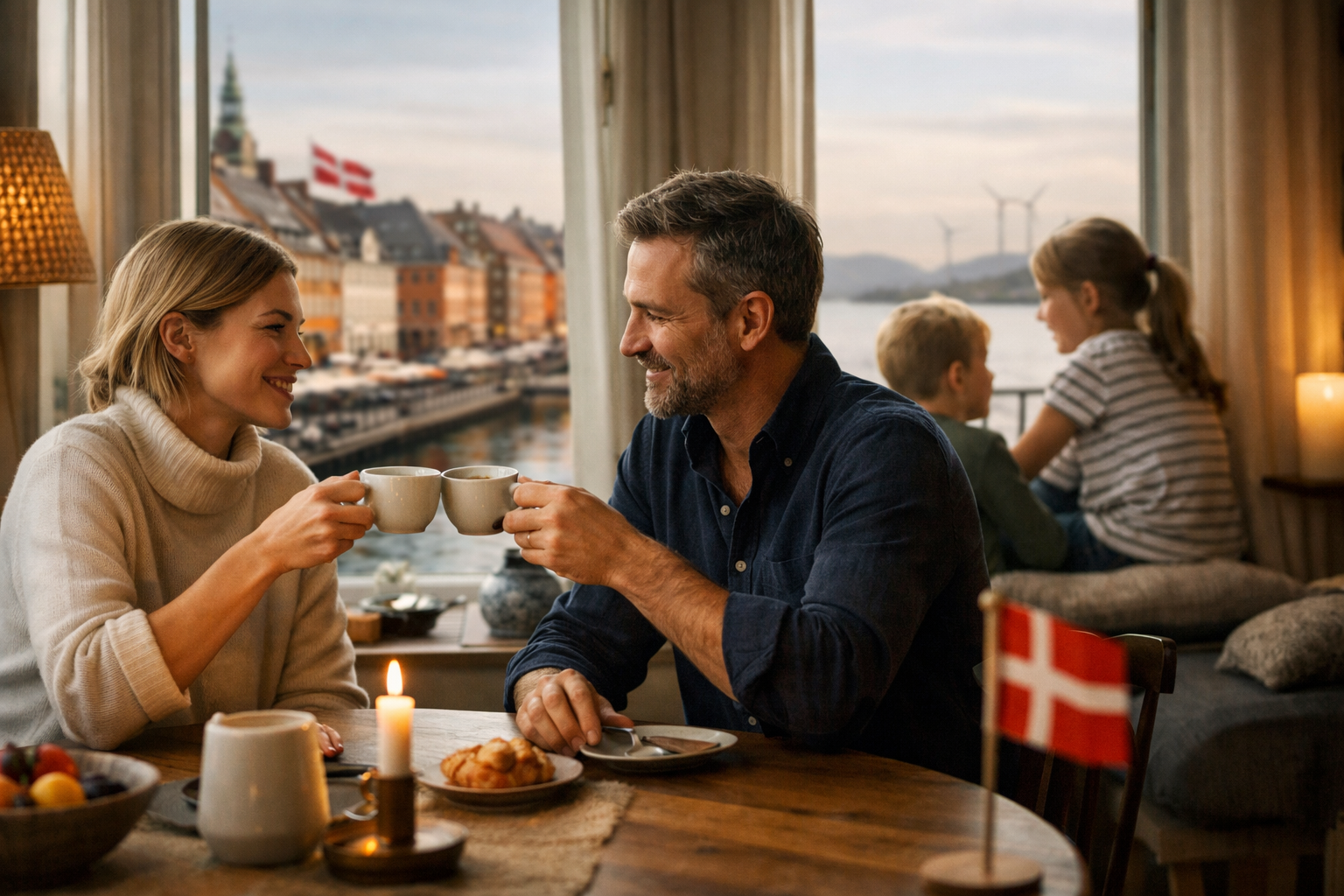
Danish furniture design reflects deeply held values about equality and community. The classic teak dining table, for instance, wasn't designed as a luxury item but as functional furniture for family gatherings—reflecting the Danish emphasis on togetherness and hygge (cozy contentment). This democratic approach means that well-designed Danish furniture could be found in ordinary homes, not just palaces or wealthy estates.
Danish Design's Impact on Global Culture
Architecture and Urban Spaces
Beyond furniture, Danish design principles have shaped architecture and urban planning throughout Denmark. Jørn Utzon, Denmark's most famous architect, designed the iconic Sydney Opera House, proving Danish design thinking could influence major international projects. Within Denmark, architects have created functional, beautiful public spaces that encourage community interaction—parks, libraries, and civic centers designed with the same care given to furniture pieces.
Copenhagen exemplifies these principles through its bicycle infrastructure, public squares, and residential areas that prioritize human scale and environmental sustainability. The design of public spaces directly reflects the democratic values embedded in Danish design—creating beautiful, functional environments for all citizens.
Contemporary Relevance and Sustainability
Today, as global awareness of environmental issues grows, Danish design's emphasis on sustainability and durability has become increasingly relevant. Danish companies like Bang & Olufsen and contemporary designers continue the tradition of creating products built to last, opposing the throwaway culture prevalent in many consumer economies.
This commitment to sustainability connects to Denmark's broader environmental leadership and the Danish concept of "øko-ansvar" (environmental responsibility). When studying for your citizenship exam with Danify, remember that Danish design values aren't merely aesthetic choices—they reflect environmental and social consciousness.
Design's Role in Quality of Life
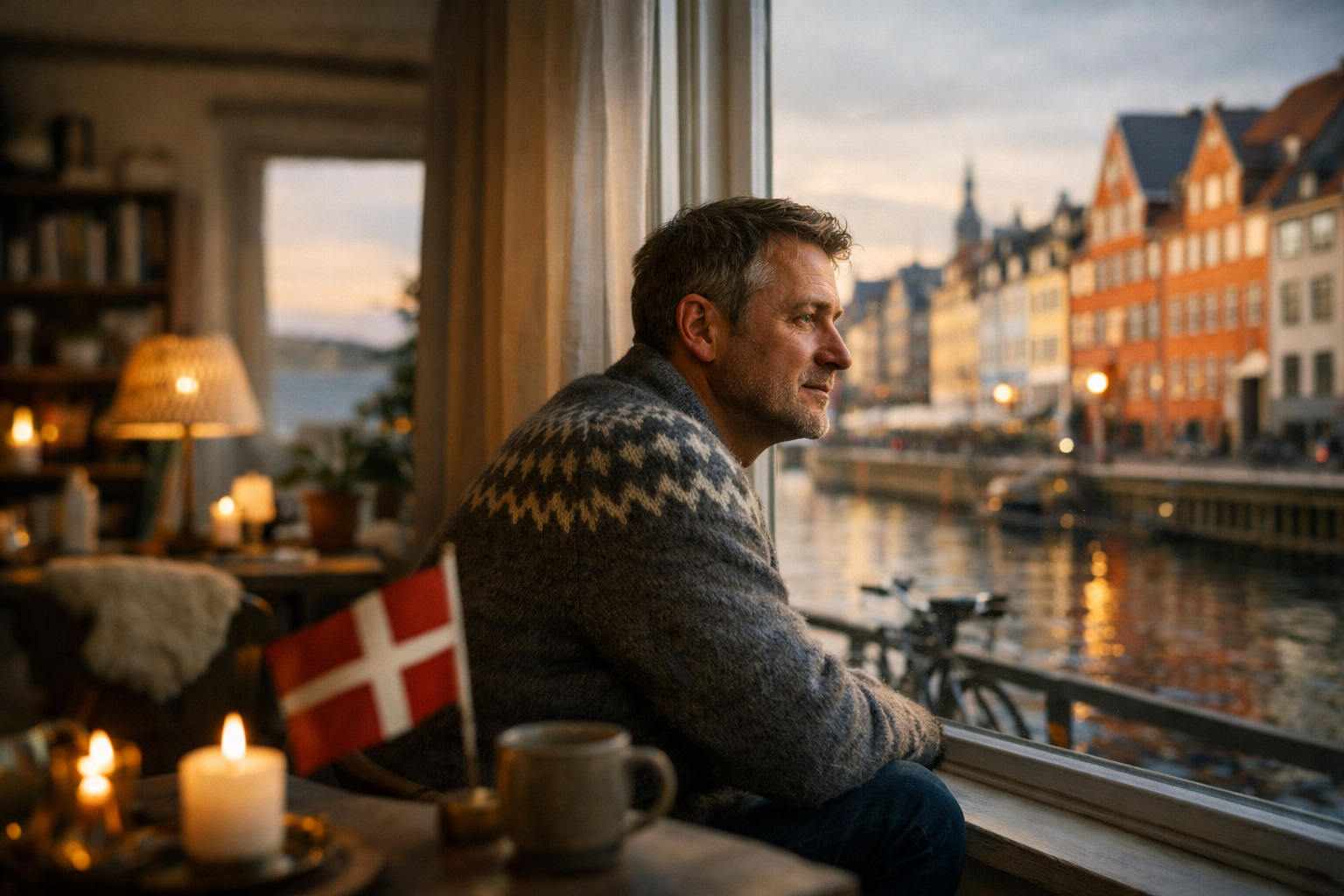
Danish design's influence extends to how people experience daily life. The integration of natural light through thoughtful window design, the ergonomic consideration in everyday objects, and the use of natural materials create environments that support well-being. This holistic approach to design—considering not just how something looks but how it makes people feel—represents a distinctly Danish contribution to global culture.
Understanding Danish Design for Your Citizenship Exam
When preparing for citizenship questions about Danish culture, remember these key points:
- Danish design prioritizes function and democracy over luxury and exclusivity
- The movement emerged strongest in the post-WWII period (1945 onwards)
- Famous designers like Arne Jacobsen, Hans Wegner, and Jørn Utzon exemplify Danish design principles
- Sustainability and durability are core values, not afterthoughts
- Danish design reflects broader Danish cultural values of equality, community, and practicality
Using study tools like Danify will help you internalize these concepts and connect them to other aspects of Danish society you'll encounter on the exam.
Conclusion
Danish design represents far more than an aesthetic trend—it embodies fundamental Danish values of equality, functionality, sustainability, and respect for human experience. From Arne Jacobsen's revolutionary chairs to contemporary sustainable design practices, Danish designers have demonstrated that beauty and practicality aren't opposing forces but complementary principles. This design philosophy has influenced global culture while remaining true to distinctly Danish ideals.
As you prepare for your Danish citizenship test, appreciating Danish design offers valuable insight into Danish identity and values. Ready to deepen your understanding of Danish culture and ace your citizenship exam? Start your journey with Danify today, where you'll explore not just design, but the values and history that make Danish culture unique. Your path to citizenship success begins with understanding what makes Denmark truly special.
Sources & AI note
This article was generated by AI using the sources listed here. Please verify important details in the original sources.
Official Danish government source providing comprehensive overview of Danish design history, key designers, and cultural significance.
https://www.denmark.dk/en/culture-and-history/design
Authoritative international museum documentation of Arne Jacobsen's contributions to modernist design and his major works.
https://www.moma.org/artists/2938
UNESCO recognition and documentation of Danish design and craftsmanship traditions and their cultural significance.
https://ich.unesco.org/en/RL/danish-traditional-craftsmanship-00054
Official Danish government immigration portal with cultural information for citizenship candidates and immigrants to Denmark.
https://www.nyidanmark.dk/en
Denmark's primary institution dedicated to promoting and preserving Danish design heritage, offering historical context and contemporary perspectives.
https://www.danishdesigncenter.dk/en
Get study tips in your inbox
Exam guides, study strategies, and insider tips for both Danish exams, delivered for free.
Study smarter
Ready to pass your Danish exam?
Danify gives you practice questions, AI-powered hints, and progress tracking, everything you need to prepare with confidence.