Danish Values: Gender Equality, Democracy and Individual Freedom
Understanding Denmark's core values is essential for citizenship exam success. Learn about gender equality, democratic principles, and individual freedom that form the foundation of Danish society.
Understanding Danish Core Values
Denmark is consistently ranked among the world's happiest and most equal societies. But what makes Danish culture unique? The answer lies in three fundamental pillars: gender equality, democracy, and individual freedom. These values aren't just abstract ideals—they're woven into Danish law, social systems, and everyday life. If you're preparing for the Danish citizenship test, understanding these core values is essential. Tools like Danify can help you explore these concepts in depth and prepare confidently for your exam.
These three values represent the historical and contemporary identity of Denmark. They influence everything from workplace policies to political structures, and they're central to what it means to be Danish. Let's explore each value in detail.
Gender Equality in Denmark
Historical Development
Denmark's commitment to gender equality has deep historical roots. Women gained the right to vote in Denmark in 1908—earlier than many other European countries. However, true equality has been a gradual journey, with significant legal changes occurring throughout the 20th and 21st centuries.
Today, Denmark ranks among the top countries globally for gender equality. According to the Global Gender Gap Report, Denmark consistently appears in the top five nations. This isn't accidental—it's the result of deliberate legislation and cultural values.
Legal Framework and Workplace Rights
Danish law mandates:
- Equal pay for equal work across all sectors
- Protection against discrimination based on gender in hiring and employment
- Parental leave benefits for both mothers and fathers (14 weeks paid leave for each parent)
- Right to combine work and family life
- Legal requirements for workplace equality plans
Danish companies are required by law to work actively against discrimination and promote equal opportunities. This creates a workplace culture where gender diversity isn't just encouraged—it's expected.
Women in Leadership
Women represent a significant portion of Denmark's workforce and hold positions across all professional sectors. Danish society encourages women's participation in politics, business, and academia. This cultural acceptance of women in leadership positions reflects the broader commitment to equality.
Practical Tips for Citizenship Exam
When answering questions about gender equality:
- Remember that parental leave is available to both mothers and fathers
- Be familiar with Denmark's equal pay legislation
- Understand that discrimination based on gender is illegal in employment
- Know that Denmark has legal requirements for workplace equality plans
Democracy: The Heart of Danish Governance
Democratic Principles and Systems
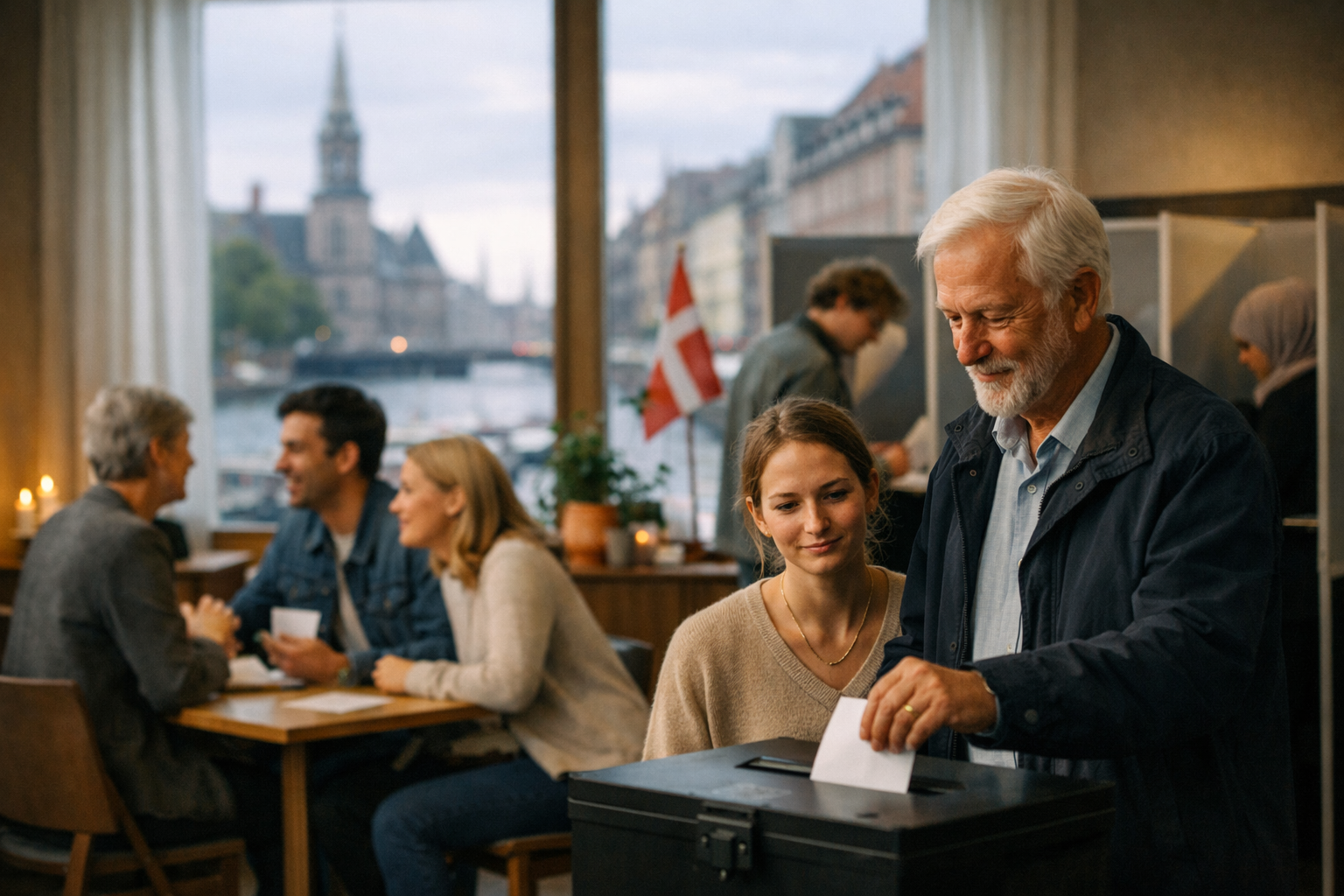
Democracy in Denmark operates through a parliamentary system where citizens have a genuine voice in governance. Denmark is a constitutional monarchy with a Folketing (Parliament) as the legislative body. Elections are held every four years, and all Danish citizens aged 18 and over have the right to vote.
What makes Danish democracy distinctive is its commitment to:
- Universal suffrage (voting rights for all adults)
- Free and fair elections held regularly
- Political transparency and accountability
- Active citizen participation in decision-making
- Protection of minority rights
Participation Beyond Voting
Danish democracy extends far beyond casting a ballot. Citizens can:
- Serve on local councils and committees
- Participate in public consultations on new legislation
- Join political parties and advocacy groups
- Access government information through transparency laws
- Petition for changes to laws and policies
This culture of active participation means that ordinary Danes feel empowered to influence their society. Public consultations (høringsprocedure) are standard practice before major policy changes.
Rule of Law and Equal Rights
Democracy in Denmark is protected by strong legal institutions. The Danish Constitution guarantees:
- Freedom of speech and expression
- Freedom of assembly and association
- Right to petition authorities
- Protection against arbitrary detention
- Equal treatment before the law
These protections ensure that democratic rights are safeguarded regardless of political changes.
Exam Preparation Guidance
For citizenship test questions about democracy:
- Know that elections occur every four years
- Understand that the Folketing is the primary legislative body
- Remember that voting is a right for all Danish citizens aged 18+
- Be aware of fundamental freedoms (speech, assembly, petition)
- Understand the concept of "folkesuveræniteten" (popular sovereignty)
Using resources like Danify can help you practice citizenship exam questions specifically focused on Danish democratic structures and values.
Individual Freedom in Danish Society
The Freedom Principle
Individual freedom is deeply valued in Danish culture. Danes believe that personal autonomy should be respected, as long as individual actions don't harm others. This principle is sometimes expressed as "frihed under ansvar" (freedom with responsibility).
This freedom encompasses:
- Personal choice in lifestyle and beliefs
- Freedom to pursue education and career goals
- Right to privacy and personal integrity
- Freedom of religion and conscience
- Autonomy in family and personal decisions
Freedom Within Responsibility
An important aspect of Danish individual freedom is the understanding that freedom comes with social responsibility. While Danes value personal autonomy, they also recognize obligations to society:
- Respect for others' freedoms and rights
- Contribution to the common good
- Participation in civic duties
- Following laws that protect collective welfare
This balance between personal freedom and social responsibility creates a cohesive society where individual rights don't diminish community wellbeing.
Practical Expression in Daily Life
Individual freedom manifests in:
- Flexible work arrangements and work-life balance
- Freedom to choose one's religion or worldview
- Diverse lifestyle choices respected by society
- Educational freedom and career autonomy
- Democratic participation without fear of persecution
Citizenship Exam Tips
When addressing questions about individual freedom:
- Emphasize that freedom is tied to responsibility
- Understand that personal freedoms are protected by law
- Remember that freedom doesn't mean doing whatever you want without consequences
- Be aware of key freedoms: speech, religion, assembly, privacy
- Understand the balance between individual rights and collective welfare
How These Values Interconnect
These three core values don't exist in isolation—they reinforce each other:
- Gender equality supports individual freedom by ensuring all people have equal opportunities
- Democracy protects both equality and individual rights through law and participation
- Individual freedom is meaningless without democratic institutions and equal treatment
Together, they create a stable, prosperous society where people can flourish.
Conclusion: Preparing for Your Citizenship Journey
Danish values of gender equality, democracy, and individual freedom form the foundation of Danish society. Understanding these principles deeply—not just factually, but culturally—is essential for citizenship exam success and for integrating into Danish life.
These values shape everything from workplace policies to political structures. They explain why Denmark consistently ranks highly in happiness, equality, and social trust indexes. By understanding why these values matter to Danes, you'll be better prepared to embrace them as part of your new life in Denmark.
As you prepare for your citizenship exam, remember that questions about Danish values test not just your knowledge, but your understanding of what it means to be part of Danish society. Study tools like Danify can help you explore these values through authentic exam questions and detailed explanations.
Ready to master Danish values for your citizenship exam? Start your preparation with Danify today and build confidence in understanding Danish culture, democracy, and society. Your Danish citizenship journey begins with understanding these fundamental values.
Sources & AI note
This article was generated by AI using the sources listed here. Please verify important details in the original sources.
Official Danish government resource providing information about rights, responsibilities, and values for people moving to or becoming citizens of Denmark.
https://www.nyidanmark.dk/en/
Official text of the Danish Constitution outlining fundamental rights, democratic principles, and freedoms guaranteed to Danish citizens.
https://www.thedanishparliament.dk/en/about-parliament/the-danish-constitution
Danish Ministry of Foreign Affairs information on Denmark's commitment to gender equality, including legal frameworks and international rankings.
https://um.dk/en/
Official Folketing website explaining Danish democratic structures, parliamentary procedures, and citizen participation rights.
https://www.thedanishparliament.dk/en/
Official Danish citizens' portal providing comprehensive information about rights, benefits, and civic obligations in Denmark.
https://www.borger.dk/english
Get study tips in your inbox
Exam guides, study strategies, and insider tips for both Danish exams, delivered for free.
Study smarter
Ready to pass your Danish exam?
Danify gives you practice questions, AI-powered hints, and progress tracking, everything you need to prepare with confidence.