The Wadden Sea: Denmark's UNESCO World Heritage Site
Discover the Wadden Sea, Denmark's remarkable UNESCO World Heritage Site. Learn about its ecological importance, wildlife, and why it matters for Danish citizenship knowledge.
Introduction
Denmark's natural heritage extends far beyond its charming Copenhagen streets and fairy-tale castles. In the northwestern corner of the country lies one of Europe's most extraordinary ecosystems: the Wadden Sea. This vast, dynamic intertidal zone was designated as a UNESCO World Heritage Site in 2009, recognition of its outstanding universal value and ecological significance. For anyone preparing for the Danish citizenship test through platforms like Danify, understanding Denmark's UNESCO sites is essential knowledge. The Wadden Sea represents not just a geographical feature, but a symbol of Denmark's commitment to environmental preservation and sustainable living—core Danish values.
The Wadden Sea stretches approximately 11,500 square kilometers across Denmark, Germany, and the Netherlands, with Denmark's portion covering around 4,700 square kilometers. This unique marine environment is characterized by its constantly changing tidal patterns, vast mud flats, and shallow waters that create one of the world's most biologically productive areas.
What Makes the Wadden Sea Special?
Unique Geographical Features
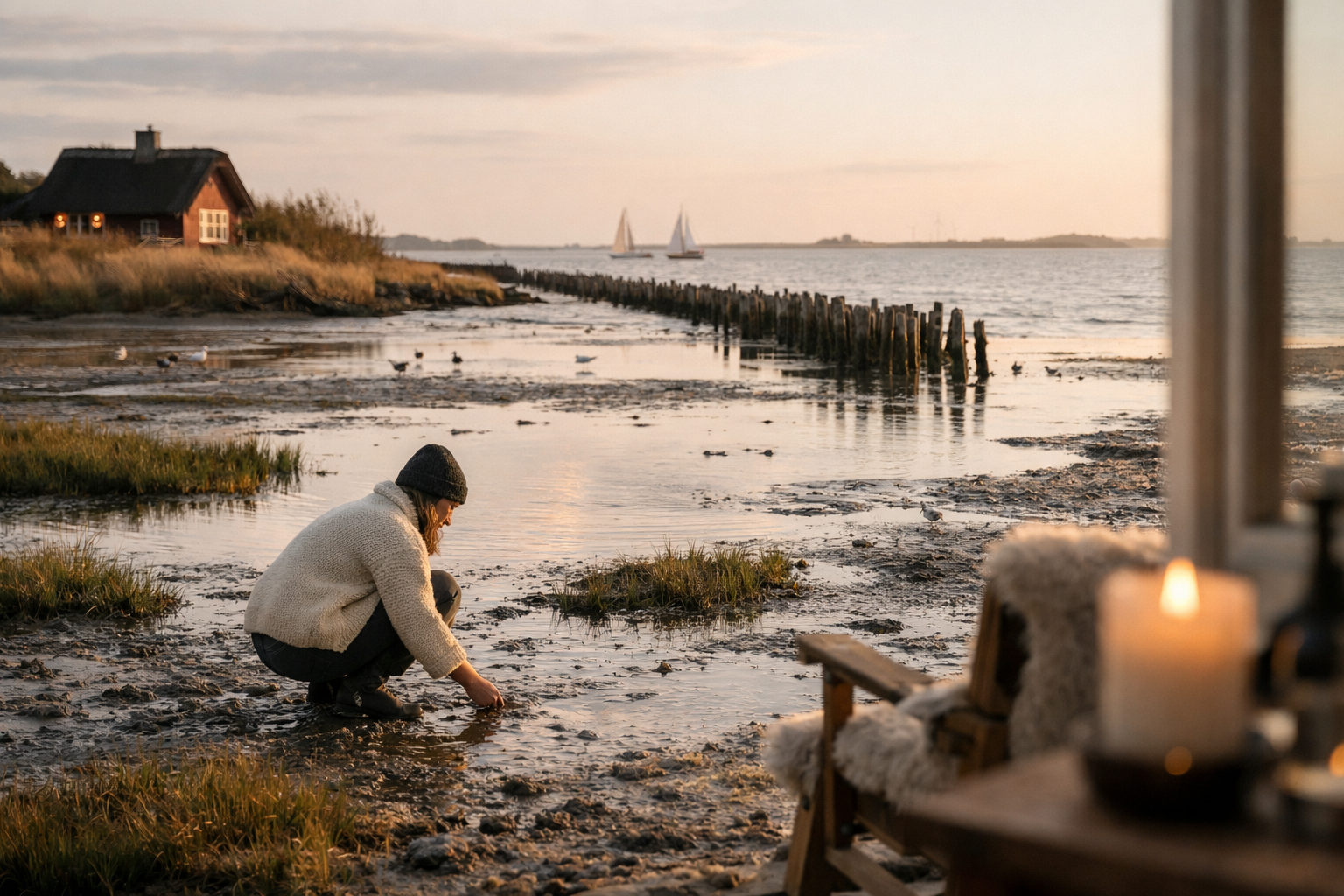
The Wadden Sea's defining characteristic is its tidal system, which creates a landscape that is dramatically transformed twice daily. At high tide, the sea covers much of the area; at low tide, vast expanses of mud flats and salt marshes are exposed. This dynamic environment is unlike anything else in the world.
Key geographical features include:
- Tidal flats: Enormous mud and sand flats that emerge and disappear with tidal cycles
- Salt marshes: Vegetation-rich coastal areas that provide crucial habitat
- Barrier islands: Including famous Danish islands like Rømø and Mandø
- Shallow waters: Rarely exceeding 10 meters in depth
This ever-changing landscape has shaped Danish coastal culture for centuries, influencing everything from traditional fishing methods to modern sustainable practices.
Ecological and Biological Significance
The Wadden Sea is often called Europe's most important wetland, and for good reason. Its ecological productivity rivals tropical rainforests, supporting an incredibly diverse array of life.
Wildlife and Species:
- Seals: Both harbor seals and gray seals find refuge in Wadden waters
- Birds: Over 10 million birds migrate through the region annually, making it a critical stopover point on the East Atlantic Flyway
- Fish: Numerous commercial and non-commercial fish species depend on the Wadden Sea for breeding and nursery grounds
- Invertebrates: Billions of benthic organisms form the foundation of the food chain
The region supports approximately 15% of the world's migratory bird population, making it irreplaceable for global bird conservation. For citizenship exam preparation with Danify, remember that the Wadden Sea's role in global ecological networks demonstrates Denmark's importance in international environmental protection.
UNESCO World Heritage Status and Conservation
Why UNESCO Recognition Matters
The Wadden Sea received its UNESCO World Heritage designation based on several crucial criteria:
- Criterion (viii): Outstanding examples of major stages of Earth's history and geological processes
- Criterion (ix): Ongoing ecological and biological processes in evolution and development
- Criterion (x): Exceptional biodiversity and habitat for threatened species
This recognition placed the Wadden Sea among the world's most important natural sites, alongside places like the Grand Canyon and the Great Barrier Reef. It signifies global acknowledgment of the region's irreplaceable value.
Danish Conservation Efforts
Denmark has implemented comprehensive protection measures for the Wadden Sea:
- Designation as a Natura 2000 site, part of the European Union's network of protected areas
- National regulations limiting industrial development and pollution
- Collaborative management with Germany and the Netherlands through the Trilateral Wadden Sea Cooperation
- Investment in sustainable tourism that minimizes environmental impact
- Research programs monitoring ecological changes and species populations
These efforts reflect Denmark's dedication to the UN Sustainable Development Goals, particularly Goal 14 (Life Below Water) and Goal 15 (Life on Land)—topics frequently covered on citizenship exams.
Visiting and Experiencing the Wadden Sea
Sustainable Tourism
The Wadden Sea welcomes visitors while maintaining strict environmental standards. Guided mudflat walks (vademarketure) are one of the most popular activities, allowing visitors to experience this unique ecosystem firsthand.
Best practices for visiting:
- Book guided tours with certified naturalists
- Respect marked trails and protected bird nesting areas
- Visit during appropriate seasons to minimize disturbance
- Use public transportation when possible
- Support local communities that depend on sustainable Wadden Sea tourism
Key Destinations
Danish Wadden Sea communities offer authentic experiences:
- Rømø Island: Denmark's westernmost inhabited island with excellent tidal flat access
- Mandø: A car-free island exemplifying sustainable living
- Fanø: Known for its traditional architecture and natural beauty
- Tønder Municipality: Gateway to Wadden Sea exploration with museums and visitor centers
Wadden Sea Knowledge for Danish Citizenship
Understanding the Wadden Sea is valuable for citizenship exam candidates because it encompasses several tested topics:
- Danish Geography: The Wadden Sea's location, extent, and characteristics
- Environmental Values: Denmark's commitment to sustainability and conservation
- International Cooperation: The trilateral agreements with Germany and Netherlands
- UNESCO and Global Heritage: International recognition of natural sites
- Danish Culture: Traditional coastal communities and modern sustainable practices
When using study tools like Danify, focus on how the Wadden Sea represents Denmark's broader environmental identity and Denmark's role in global conservation efforts.
Conclusion
The Wadden Sea stands as a testament to Denmark's natural beauty and environmental commitment. From its dramatic tidal landscapes to its role as a global ecological treasure, this UNESCO World Heritage Site embodies the values that define modern Denmark: sustainability, international cooperation, and respect for nature.
Whether you're visiting to experience mudflat walks or studying for your Danish citizenship exam, the Wadden Sea offers lessons about environmental stewardship and the importance of protecting our planet's most vulnerable ecosystems. As you prepare for your citizenship journey—perhaps with the help of comprehensive study platforms like Danify—take time to appreciate this natural wonder that makes Denmark a leader in global conservation.
Ready to ace your Danish citizenship test? Explore Danify today and discover comprehensive study materials covering Denmark's natural heritage, geography, culture, and everything else you need to know for exam success.
Sources & AI note
This article was generated by AI using the sources listed here. Please verify important details in the original sources.
Official UNESCO designation and criteria for the Wadden Sea World Heritage Site, including comprehensive information about its universal value and protected status.
https://whc.unesco.org/en/list/1314/
Official cooperation framework between Denmark, Germany, and the Netherlands for Wadden Sea management and protection, featuring collaborative conservation initiatives.
https://www.waddensea-forum.org/
Information from Denmark's Nature Agency regarding the Wadden Sea's protection as a Natura 2000 site and national conservation regulations.
https://naturstyrelsen.dk/natura2000/
Official Danish tourism information providing practical visitor guides, sustainable tourism practices, and experiences in the Wadden Sea region.
https://www.visitdenmark.com/
Official Danish government portal containing information about citizenship requirements, including geography and cultural knowledge exam topics.
https://www.borger.dk/
Get study tips in your inbox
Exam guides, study strategies, and insider tips for both Danish exams, delivered for free.
Study smarter
Ready to pass your Danish exam?
Danify gives you practice questions, AI-powered hints, and progress tracking, everything you need to prepare with confidence.