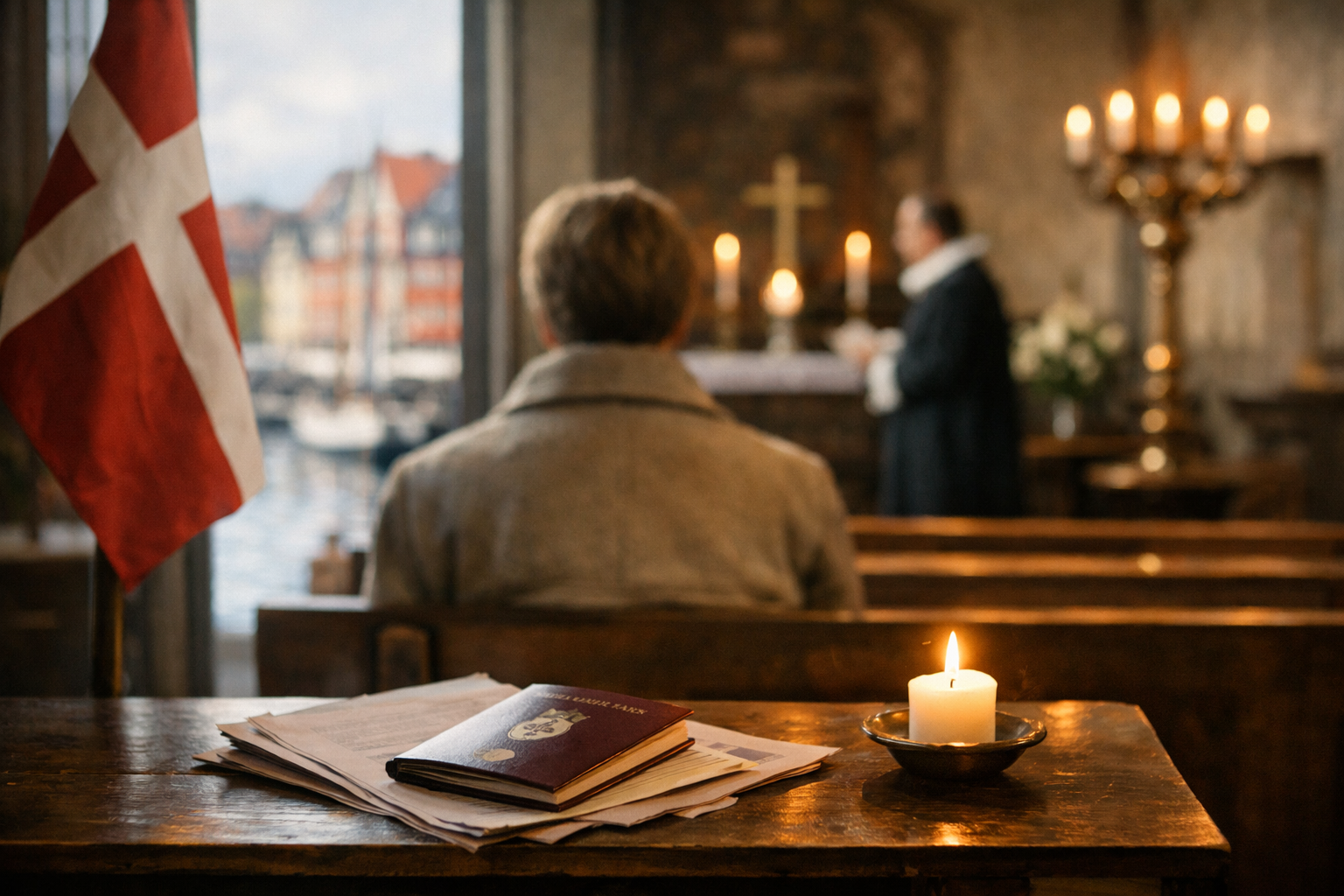
Human Rights in Denmark: Constitutional and International Commitments
Discover how Denmark protects human rights through its constitution and international agreements. Learn what aspiring citizens need to know about fundamental rights and freedoms in Danish society.

Introduction
Denmark is widely recognized as one of the world's leading nations in human rights protection and democratic values. Understanding how Denmark safeguards human rights—both through its constitution and international commitments—is essential for anyone preparing for the Danish citizenship test. This knowledge not only helps you pass the exam but also gives you insight into the values and principles that define Danish society.
In this guide, we'll explore Denmark's constitutional framework, its international human rights obligations, and practical information relevant to your citizenship preparation. Whether you're using Danify to study or preparing independently, this comprehensive overview will strengthen your understanding of a fundamental aspect of Danish governance.
The Danish Constitution and Fundamental Rights
The Danish Constitution: Structure and Protection
Denmark's Constitution (Grundloven), originally adopted in 1849 and last revised in 1953, serves as the foundation for all human rights protection in the country. The Constitution establishes Denmark as a constitutional monarchy with a parliamentary system of government, where fundamental rights and freedoms are explicitly protected.
Key constitutional provisions include:
- Freedom of speech and expression—citizens have the right to communicate ideas and opinions without state censorship
- Freedom of assembly and association—people can gather peacefully and form organizations
- Religious freedom—individuals have the right to practice any religion or no religion
- Right to privacy—protection against arbitrary state interference in personal life
- Equality before the law—all citizens are treated equally regardless of background
Important Constitutional Principles for Citizenship Exam
When preparing for the Danish citizenship test, remember these core constitutional principles:
Rule of law: No one, including government officials, is above the law. All state actions must comply with legal procedures and constitutional limits.
Separation of powers: The Constitution divides governmental authority among the legislative (parliament), executive (government), and judicial (courts) branches. This prevents concentration of power and protects citizens' rights.
Democratic participation: Danish citizens have the right to vote and participate in government decision-making through free elections held every four years.
These principles are not merely theoretical—they actively shape how Denmark functions daily and are frequently tested on the citizenship exam. Danify's study modules can help you master these concepts through interactive lessons and practice questions.
Denmark's International Human Rights Commitments
Key International Treaties and Conventions
Beyond its constitution, Denmark has committed to numerous international human rights instruments that strengthen protections for all people in Danish territory:
The Universal Declaration of Human Rights (UDHR): While not legally binding, this 1948 UN declaration sets global standards that Denmark actively supports and implements. It covers civil, political, economic, social, and cultural rights.
The European Convention on Human Rights (ECHR): Denmark ratified this 1950 convention, making it legally binding. The ECHR is enforced through the European Court of Human Rights in Strasbourg, where Danish citizens can appeal if they believe their rights have been violated.
The International Covenant on Civil and Political Rights (ICCPR): This UN treaty protects freedoms such as liberty, privacy, and freedom from torture. Denmark has been a signatory since 1972.
The International Covenant on Economic, Social and Cultural Rights (ICESCR): Denmark committed to protecting workers' rights, the right to education, and access to healthcare.
The Convention on the Elimination of All Forms of Discrimination Against Women (CEDAW): Denmark actively works to ensure gender equality across all sectors of society.
The European Union and Human Rights
As a European Union member state since 1973, Denmark also operates under the EU Charter of Fundamental Rights, which incorporates protections for:
- Dignity and integrity of persons
- Freedom of thought, conscience, and religion
- Freedom of expression and information
- Right to education and culture
- Environmental protection
The EU framework supplements Denmark's national protections and provides citizens with additional avenues for legal redress.
How Denmark Enforces Human Rights in Practice
The Danish Courts and Human Rights Protection
Denmark's independent judiciary plays a crucial role in protecting human rights. The Danish Supreme Court and lower courts apply both national constitutional law and international human rights standards when making decisions.
Key features of Denmark's legal system relevant to human rights:
- Independent judiciary: Courts operate free from political interference
- Right to fair trial: Everyone has access to legal representation and due process
- Legal aid: Those who cannot afford lawyers receive state-funded legal assistance
- Ombudsman: The Danish Parliamentary Ombudsman investigates complaints about government administration and human rights violations
The Role of Government Institutions
Several Danish institutions work specifically to protect and promote human rights:
The Danish Institute for Human Rights serves as the national human rights institution, monitoring compliance with international commitments and providing education about human rights.
The Board of Equal Treatment handles discrimination cases related to ethnicity, national origin, color, religion, and political beliefs.
The Equal Pay Ombudsman addresses gender-based wage discrimination.
Understanding these institutions demonstrates how Denmark translates constitutional commitments into practical protections—an important topic for citizenship exam preparation.
Special Considerations: Immigration and Integration
Human Rights for Non-Citizens
While this blog focuses on constitutional and international protections, it's important to note that Denmark extends many human rights protections to non-citizens and immigrants. These include:
- Protection from torture and inhuman treatment
- Right to fair legal process
- Access to social services and healthcare
- Protection from discrimination
Denmark's commitment to international human rights conventions means these protections apply regardless of immigration status, though some political rights are reserved for citizens.
Practical Exam Tip
The citizenship test often includes questions about integration values and how human rights framework supports a cohesive society. Remember that respecting human rights and democratic values is a fundamental expectation for all residents of Denmark, both citizens and non-citizens.
Conclusion
Denmark's human rights framework represents a comprehensive commitment to protecting individual freedoms and dignity through both national constitutional law and international agreements. From the Danish Constitution to membership in the European Union and adherence to international human rights treaties, Denmark demonstrates a multi-layered approach to safeguarding fundamental rights.
As you prepare for the Danish citizenship test, understanding these commitments helps you grasp not just what to memorize, but why Denmark values human rights so deeply. This knowledge reflects the democratic principles and respect for individual dignity that characterize Danish society.
To strengthen your preparation, use comprehensive study tools like Danify, which provides structured lessons on Danish governance, human rights, and citizenship requirements. Regular practice with authentic exam questions will build your confidence and ensure you're ready for test day.
Ready to master Danish citizenship knowledge? Start your preparation with Danify today and join thousands of successful test-takers who've built their understanding of Danish democracy and human rights protection.
Sources
- The Danish Constitution (Grundloven) - danish.parliament.dk - The official English translation of Denmark's constitutional framework, establishing fundamental rights and governmental structure
- Danish Institute for Human Rights - Official Website - menneskeret.dk - Denmark's national human rights institution providing information on constitutional protections and international commitments
- European Convention on Human Rights - echr.coe.int - The treaty binding Denmark to international human rights standards enforced by the European Court of Human Rights
- New in Denmark (Ny i Danmark) - Rights and Responsibilities - nyidanmark.dk - Official Danish government resource explaining human rights, duties, and legal framework for residents and citizens
- Denmark.dk - Government and Politics - denmark.dk - Official Danish government portal with information on the constitutional system and democratic institutions
Sources & AI note
This article was generated by AI using the sources listed here. Please verify important details in the original sources.
The official Danish Constitution adopted in 1849 (last revised 1953), establishing Denmark's governmental structure and fundamental rights protections for all citizens.
https://www.ft.dk/da/dokumenter/bestemmelser/grundloven
Denmark's national human rights institution responsible for monitoring human rights compliance, providing education, and advancing human rights in Danish society.
https://menneskeret.dk/en
The binding international treaty that Denmark ratified in 1950, establishing enforceable human rights standards through the European Court of Human Rights.
https://www.echr.coe.int/documents/convention-eng.pdf
Official Danish government portal providing information about rights, responsibilities, integration, and citizenship requirements for residents and prospective citizens.
https://www.nyidanmark.dk/en
Official Danish government website explaining Denmark's constitutional monarchy, parliamentary system, and democratic institutions protecting human rights.
https://denmark.dk/politics-government/government
Get study tips in your inbox
Exam guides, study strategies, and insider tips for both Danish exams, delivered for free.
Study smarter
Ready to pass your Danish exam?
Danify gives you practice questions, AI-powered hints, and progress tracking, everything you need to prepare with confidence.