Denmark's Judicial System: Courts and the Rule of Law
Understanding Denmark's judicial system is essential for citizenship test preparation. Learn about the Danish courts, legal principles, and the rule of law that form the foundation of Danish society.
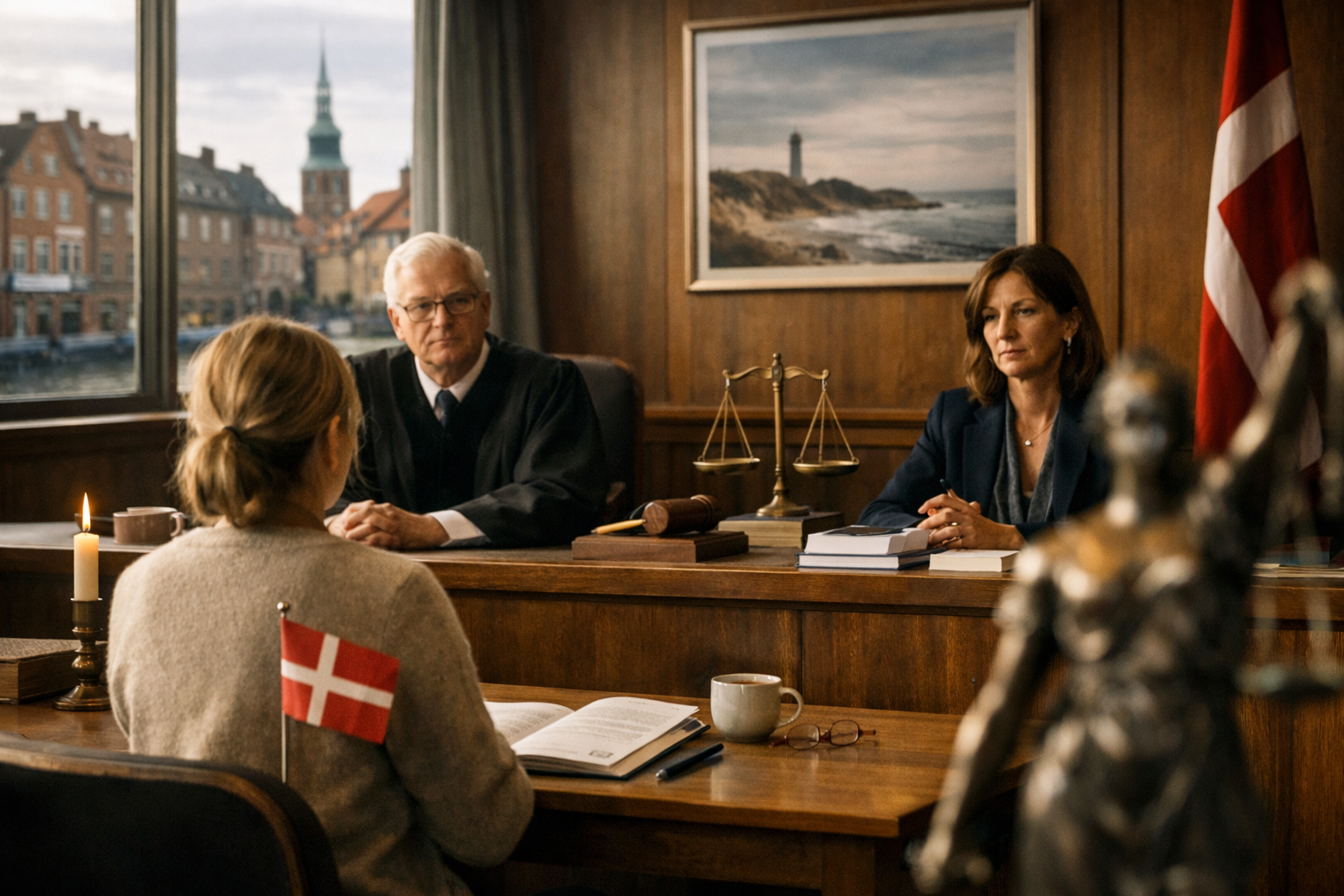
Understanding Denmark's Judicial System and the Rule of Law
Denmark is a constitutional monarchy with one of the world's most respected and transparent judicial systems. The Danish legal framework is built on centuries of tradition, democratic principles, and a strong commitment to the rule of law. If you're preparing for the Danish citizenship test, understanding how the Danish courts work and the fundamental legal principles that govern the nation is crucial. This knowledge not only helps you pass the exam but also gives you insight into the values that make Denmark a stable, fair society.
The Danish judicial system operates on the principle that all individuals—regardless of status—are equal before the law. This principle is so fundamental that it appears in the Danish Constitution and shapes every aspect of legal proceedings in the country. Whether you're using Danify to study or reviewing materials independently, grasping these concepts will strengthen your overall understanding of Danish governance and society.
The Structure of Danish Courts
The Three-Tier Court System
Denmark's judicial system is organized into three levels, each with specific responsibilities:
- District Courts (Byretter): These are the first instance courts where most civil and criminal cases begin. There are 24 district courts throughout Denmark, handling cases involving disputes between private individuals, businesses, and criminal matters with lighter sentences.
- High Courts (Landsretter): There are two high courts in Denmark—the Eastern High Court (Østre Landsret) and the Western High Court (Vestre Landsret). They serve as appellate courts, reviewing decisions from district courts when parties believe errors have occurred.
- The Supreme Court (Højesteret): Denmark's highest court has the final say on legal matters. It primarily handles cases of significant legal importance and helps ensure consistent interpretation of Danish law across the country.
Specialized Courts
Beyond the general court system, Denmark has specialized courts that handle specific types of cases:
- The Maritime and Commercial Court (Sø- og Handelsretten): Handles maritime disputes, bankruptcy cases, and complex commercial matters
- The Labor Court (Arbejdsretten): Resolves disputes related to employment and labor rights
- The Immigration Appeals Board (Flygtningenævnet): Reviews decisions on asylum and immigration cases
Understanding these different court types is valuable for the citizenship test, as exam questions often ask about which court handles particular cases.
Fundamental Legal Principles in Denmark
The Rule of Law
The rule of law is the cornerstone of the Danish legal system. This principle ensures that:
- Laws apply equally to everyone, including government officials and the monarchy
- No one is above the law
- Laws must be clear, public, and applied consistently
- Legal disputes are resolved by independent courts, not by politicians or arbitrary decisions
This commitment to the rule of law has made Denmark one of the least corrupt countries in the world and contributes to the high level of public trust in Danish institutions.
Independence of the Judiciary
Danish judges are independent and cannot be dismissed for their legal decisions. This independence is essential for fair trials and protects judges from political pressure. The judiciary operates separately from the executive (government) and legislative (parliament) branches, ensuring that courts can make decisions based solely on law and evidence.
Right to Fair Trial
The Danish Constitution guarantees the right to a fair and public trial. Key aspects include:
- Cases are heard in open court (with limited exceptions for sensitive matters)
- Defendants have the right to legal representation
- Evidence must be presented and can be challenged
- Decisions must be explained in writing
The Justice System in Practice
Criminal Justice Process
In criminal cases, the Danish system protects both victims and accused individuals:
- A person is presumed innocent until proven guilty
- The prosecutor must prove guilt beyond reasonable doubt
- Sentences are determined by judges based on established sentencing guidelines
- Serious crimes may require a jury trial (not all criminal cases use juries)
Danish criminal law emphasizes rehabilitation over pure punishment, which is why Denmark's prisons focus on preparing inmates for reintegration into society.
Civil Law Matters
Civil cases involve disputes between private parties—such as contract disagreements, property disputes, or family matters. In these cases:
- The burden of proof is lower than in criminal cases ("balance of probabilities")
- Cases are decided by judges, not juries
- Both parties have equal opportunity to present evidence and arguments
Practical Tips for the Danish Citizenship Test
When studying the judicial system for your citizenship exam, focus on these key points:
- Learn the three court levels in order: District Courts → High Courts → Supreme Court
- Remember the fundamental principles: rule of law, judicial independence, and fair trial rights
- Know that judges are independent: They cannot be pressured or dismissed for their decisions
- Understand that all are equal before the law: Including government officials and royalty
- Practice identifying which court handles specific cases: For example, which court handles bankruptcy matters or labor disputes
Resources like Danify can help you practice these concepts through interactive questions and study materials tailored to the citizenship test format.
Conclusion
Denmark's judicial system reflects the nation's core values of democracy, equality, and justice. The rule of law ensures that every person—whether a citizen or visitor—can expect fair treatment in the courts. The independence of judges, the transparency of proceedings, and the equal application of laws create a legal system that is both respected internationally and trusted by Danish citizens.
As you prepare for your Danish citizenship test, understanding these principles is essential. It's not just about memorizing facts; it's about grasping the values that make Danish society stable and fair. Take time to study the structure of the courts, the fundamental legal principles, and how they work in practice.
Ready to prepare for your citizenship exam? Start your journey with Danify today and master all aspects of Danish law and governance. Our interactive study tools are designed to help you understand and retain the material you need for success.
Sources & AI note
This article was generated by AI using the sources listed here. Please verify important details in the original sources.
Official information about Scandinavian court structures and the Danish judicial hierarchy
https://www.domstolverket.se/in-english/swedish-courts/
Official Danish legal database containing the constitution, laws, and regulations governing the judicial system
https://www.retsinformation.dk/
Official Danish Ministry of Justice providing information about courts, the rule of law, and judicial administration
https://www.justitsministeriet.dk/en/
Official Danish Immigration Service (New in Denmark) providing citizenship test requirements and study materials
https://www.nyidanmark.dk/en/
Official Denmark website with comprehensive information about Danish government, law, and social systems
https://denmark.dk/
Get study tips in your inbox
Exam guides, study strategies, and insider tips for both Danish exams, delivered for free.
Study smarter
Ready to pass your Danish exam?
Danify gives you practice questions, AI-powered hints, and progress tracking, everything you need to prepare with confidence.